What is Matcha? A Complete Guide for Green Tea Lovers
If you walk into a cafe these days, it’s almost impossible not to see “Matcha” on the popular drinks list. Its beautiful emerald green color and unique aroma have made matcha a drink that wins hearts worldwide. But actually, What is Matcha? How is it different from the general green tea we used to drink? And why does its price range from hundreds to thousands?
In this article, we will take you to trace the story of matcha, from origins, complex production processes, to how to choose matcha that suits your needs.
What is Matcha?
The word “Matcha” (抹茶) comes from Japanese. “Ma” means rub or grind, and “Cha” means tea. So the literal meaning is “Ground Tea”.
But matcha isn’t just grinding tea leaves and finishing. Its uniqueness starts from “Cultivation”.
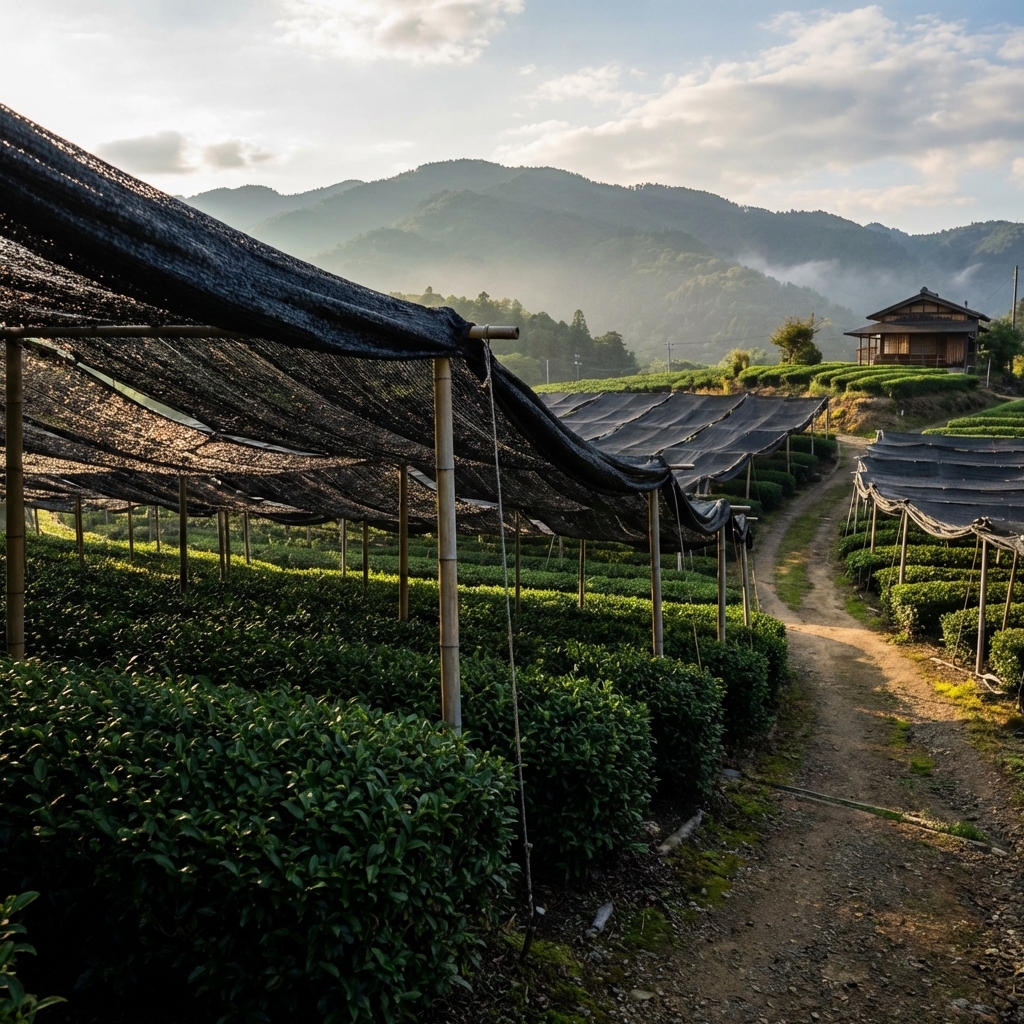
Matcha is made from Camellia sinensis tea leaves like general green tea, but what makes it special is the Shading Process. Farmers cover tea plants with nets or shading materials for about 20-30 days before harvest to reduce sunlight reaching leaves.
Why Grow in Shade?
Shading stimulates tea plants to produce Chlorophyll to photosynthesize as much as possible, resulting in deep green leaves. It also stimulates production of an amino acid called L-Theanine, which is the source of the “Umami” taste, or mellow deep sweetness, not bitter and astringent like general tea.
From Leaf to Powder: Meticulous Process
When harvest time comes (usually May for best grade), young tea buds are hand-picked and immediately processed.
- Steaming: Fresh leaves are steamed with high heat steam within hours of harvest to stop oxidation. Preserving fresh green color and natural nutrients. This step is unique to Japanese green tea, differing from most Chinese teas that use roasting.
- Drying: After steaming, leaves are air cool blown and dried without Rolling.
- Sorting: Dried leaves called “Aracha” are sorted to remove stems and veins, leaving only pure leaf flesh called “Tencha”.
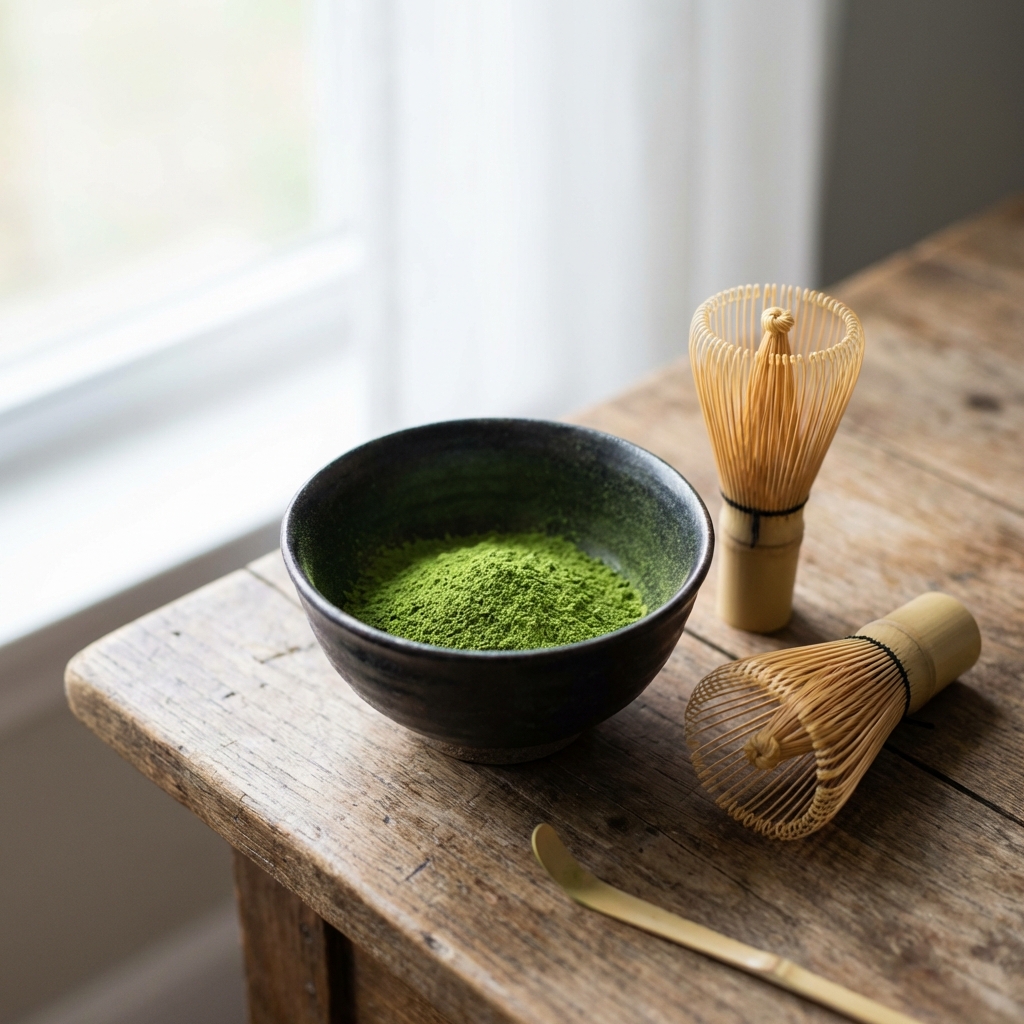
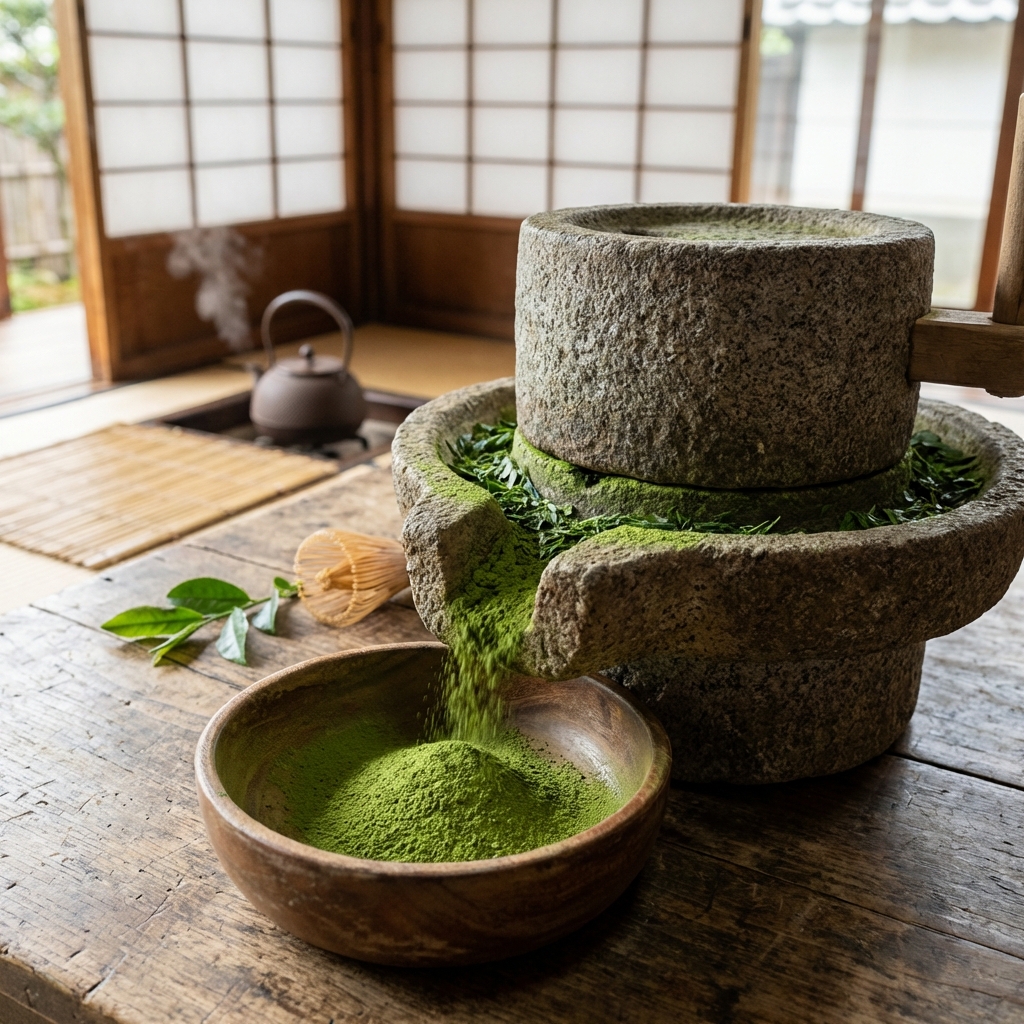
- Grinding: This is the heart. Tencha is ground with Granite Stone Mills slowly to prevent heat from destroying flavor and color. Stone grinding might take 1 hour to get just 30-40 grams of matcha powder! The result is matcha powder with micron-level fineness, dissolving in mouth like talc.
Difference Between Matcha and General Green Tea
Many people confuse “Green Tea Powder” on the market as all being matcha. The answer is No.
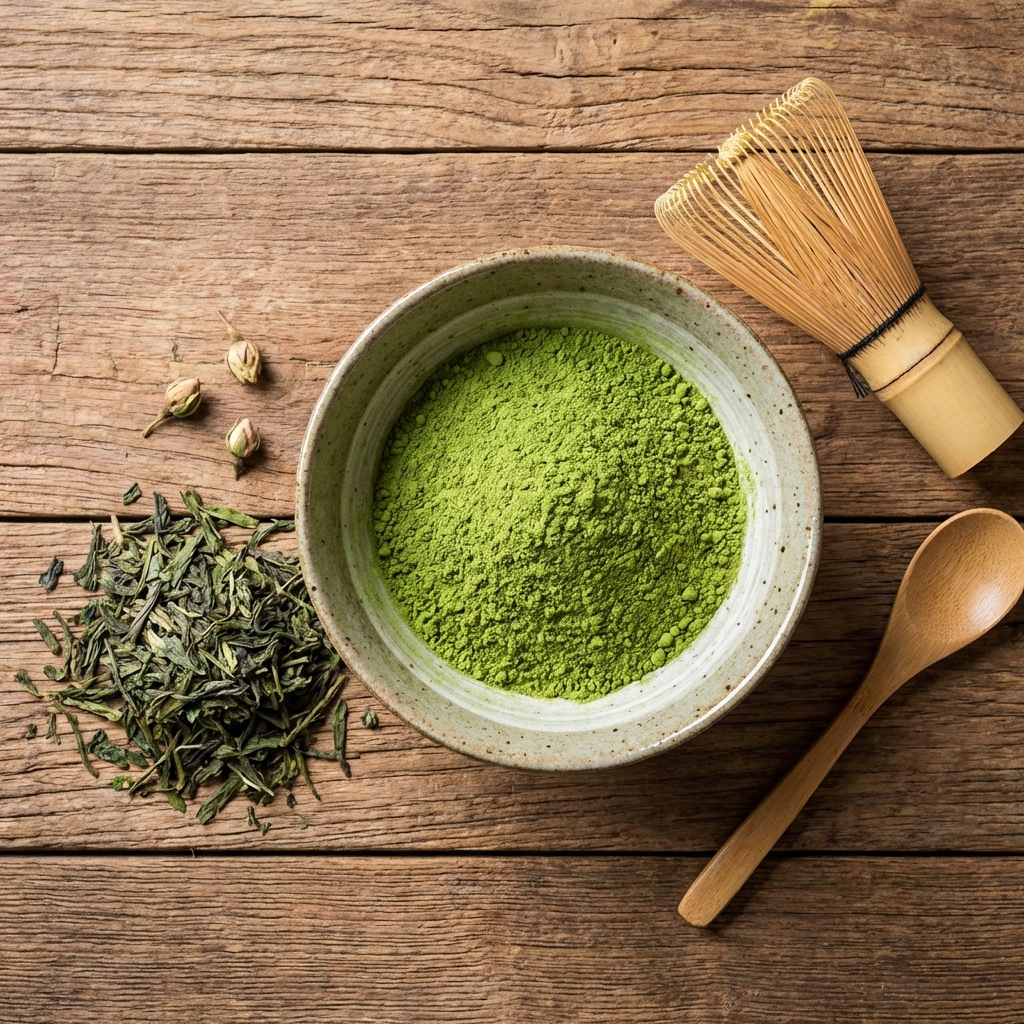
| Feature | Matcha | Green Tea Powder | Leaf Green Tea (Sencha) |
|---|---|---|---|
| Raw Material | Tencha (Shade grown) | Sencha (Sun grown) ground | Sencha Leaves |
| Color | Bright, Electric Green | Yellowish green or dull green | Clear water, yellow green |
| Taste | Umami, deep sweet, no bitter | Bitter, astringent, simple | Fresh, slight astringency |
| Texture | Fine like powder | Coarser, harder to dissolve | Leaves or clear water |
| Nutrients | Get 100% from whole leaf | Higher than leaf, lower than matcha | Only water soluble parts |
| Price | High | Low - Medium | Medium |
Read more: Matcha vs Green Tea Differences
History: From Elixir to Tea Ceremony
Although we are familiar with matcha as a Japanese specialty, its true origin goes back to China, Tang Dynasty (618–907). In that era, tea leaves were compressed into bricks, then scraped into powder and boiled.
Later in Song Dynasty (960–1279), the method of Whipped Tea using bamboo whisk became popular among Zen monks to help stay awake and focus during meditation.
Until 1191, Monk Eisai brought tea seeds and Zen tea drinking ways back to Japan. This brewing method slowly faded in China but continued to develop in Japan, becoming the “Japanese Tea Ceremony” (Chanoyu), a high art in the 16th century by Grand Master Sen no Rikyu.
Matcha Grades: Which to Choose?
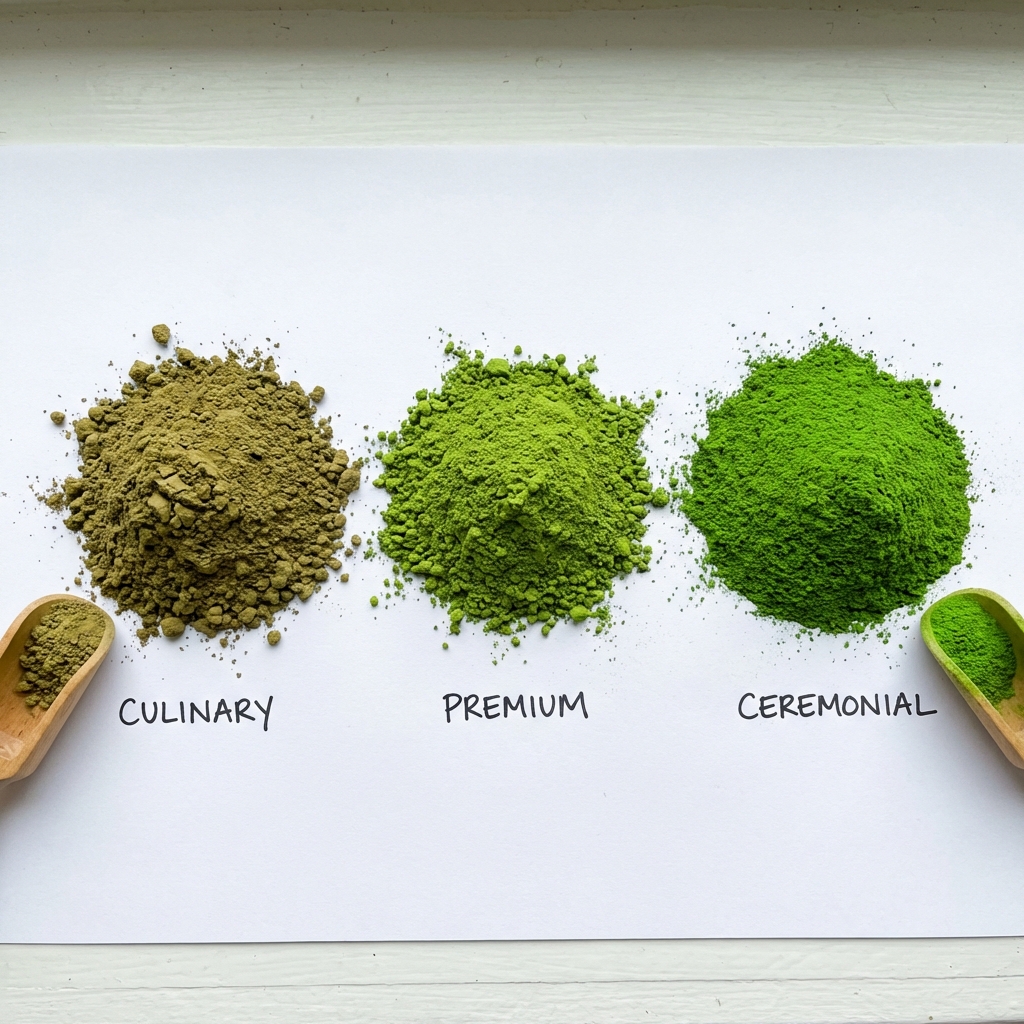
Matcha isn’t all the same. Generally, we can divide grades as follows:
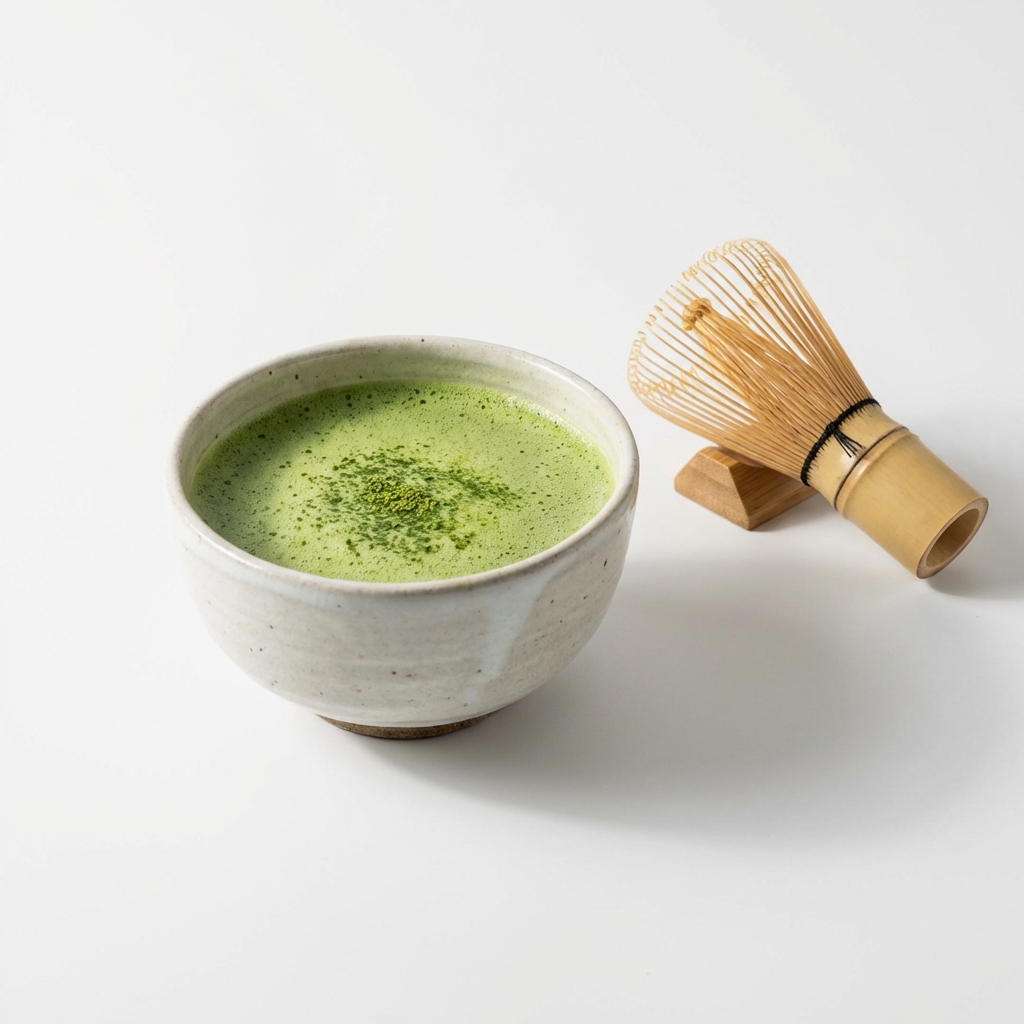
- Ceremonial Grade: Highest grade. Made from first harvest young leaves (First Harvest / Ichibancha). Fresh green color, high Umami, very low bitterness, fine texture. Suitable for brewing with hot water (Usucha or Koicha) to taste authentic flavor. Should not mix with milk or bake, as delicate taste will be drowned out.
- Premium Grade: Secondary quality. Harvested late first season or early second. Taste is excellent but more intense. Suitable for Matcha Latte as tea taste is strong enough to fight milk taste, or brew with water on casual days.
- Culinary Grade: Harvested later, fully grown leaves. Taste is more astringent and bitter. Darker green with yellow tint. Economical. Suitable for Bakery, Ice Cream, or Blended Drinks with sugar and other ingredients added. Its bitterness cuts sweetness and gives clear tea smell when heated.
Read more: Detailed Guide to Choosing Matcha Grades
Benefits of Matcha: Why Superfood?
Matcha is hailed as Superfood because when you drink matcha, you are “eating” the whole tea leaf, not just drinking extract.
- Sky High Antioxidants: Especially EGCG, a catechin with very high antioxidant activity. Helps reduce inflammation, heart disease risk, and may help fight cancer.
- Calm Energy: Matcha has higher caffeine than general tea (but less than coffee) but works with L-Theanine which helps relax, reducing jitters from caffeine. Result is Alert Calmness lasting 4-6 hours without heart palpitations like coffee.
- Fat Burning: Many studies indicate green tea extract helps increase metabolic rate during exercise.
Read more: Health Benefits of Matcha
Summary: Start Your Matcha Journey
Matcha is more than green drink. It is wisdom, art, and nature condensed into a tea cup. Whether you like traditional ceremony style, fall for intense matcha latte, or enjoy making matcha desserts, understanding these basics will help you choose and enjoy matcha more happily.
The world of matcha is vast and deep. There are stories of growing regions like Uji or Nishio and differences of each tea cultivar to discover.
Ready to step into the world of matcha? Try finding good matcha, prepare equipment, and start brewing your first cup!
Have a matcha experience to share? Whether just started drinking or a matcha master, we want to hear your story. Join MatchaFans Community to share reviews, recipes, or favorite shops!