Ceremonial Grade Matcha: Art in a Cup You Must Try Once
In the world of matcha, if compared to the wine industry, “Ceremonial Grade” is the fine vintage wine that connoisseurs crave. Why does a small jar of green powder cost so much? What’s so good about it? Or is it just a hype?
Today, we will take you to explore the pinnacle of the matcha world, so you know what true “premium” taste is really like.
What is Ceremonial Grade?
The name “Ceremonial” comes from its original purpose: production for the “Japanese Tea Ceremony” (Chanoyu), a sacred ritual emphasizing meditation, respect, and aesthetics.
Therefore, tea used in this ceremony must be only the “best”. Good enough to be brewed with just hot water and drunk immediately without adding sugar or milk, yet retaining a delicious, smooth taste without throat irritation.
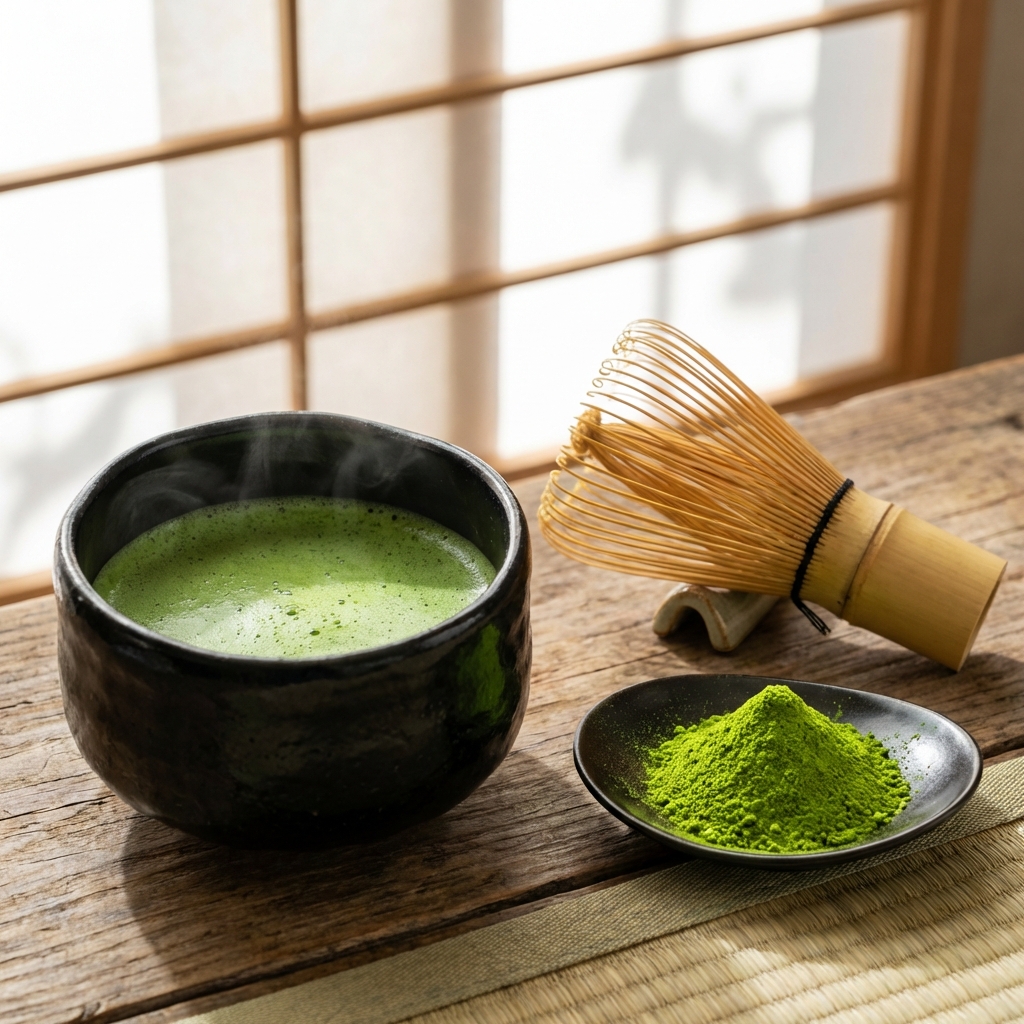
The Secret to Deliciousness: Why is it Special?
The uniqueness of the ceremonial grade doesn’t come from magic, but from attention to detail in every step:
1. Raw Material: The First Flush (Ichibancha)
Ceremonial Grade is usually made from “First Harvest Tea Leaves” (First Flush) in spring (late April - May). Tea leaves that sprout after winter accumulate the most nutrients. The leaves are soft, tender, and full of sweetness and savory Umami taste.
2. Prolonged Shading
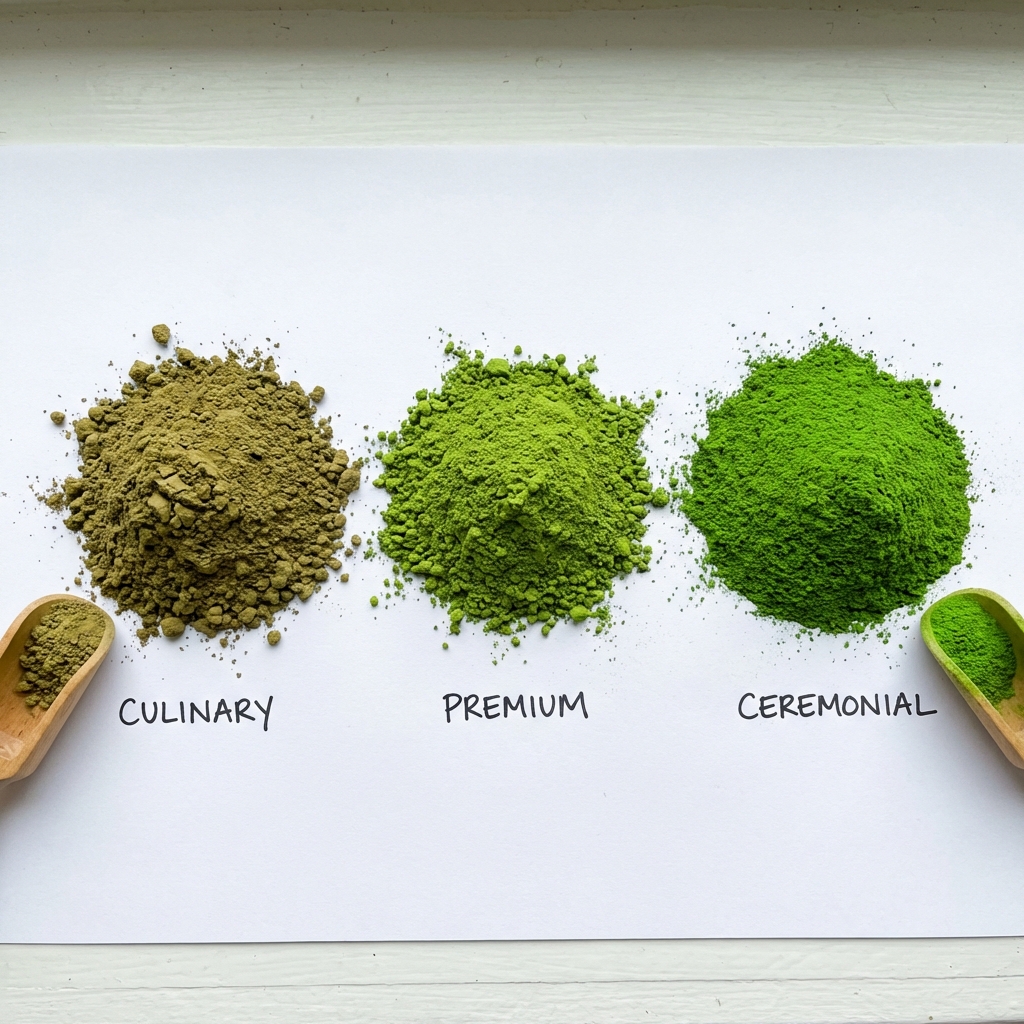
Tea plants are shaded for the longest period (more than 20 days) to maximize chlorophyll and L-theanine production. The tea powder’s color is thus a vibrant emerald green, like natural neon.
3. De-stemming
Stems and hard leaf veins are meticulously removed, leaving only pure leaf flesh. When ground, this results in a fine powder with a silky texture, easy solubility, and no astringency from stems.
4. Stone Ground
Grinding slowly with granite stone mills helps preserve volatile aromas and flavors from being destroyed by heat.
Taste Profile
If you’ve only drunk general matcha that is so bitter it needs sweetened condensed milk, you will be surprised when you try a good ceremonial grade for the first time.
- Umami (Savory): Tastes like rich seaweed soup or sweet vegetable broth, a unique characteristic of good matcha.
- Sweetness: Natural sweetness at the tip of the tongue (Aftertaste) without adding sugar.
- No Bitterness: Almost no bitterness or astringency, smooth on the throat.
- Aroma: Fragrant but complex, possibly floral, nutty, or marine notes combined.
How to Drink “Worth the Price”
If you bought ceremonial grade, please don’t mix it with milk or bake a cake! (Unless you are very rich haha) because those delicate flavors will disappear immediately when meeting milk.
The best way is to make “Usucha” (Thin Tea):
- Sift 2 grams of matcha powder (about 2 bamboo scoops) into a bowl.
- Add hot water at 70-80°C (not boiling water) about 70 ml.
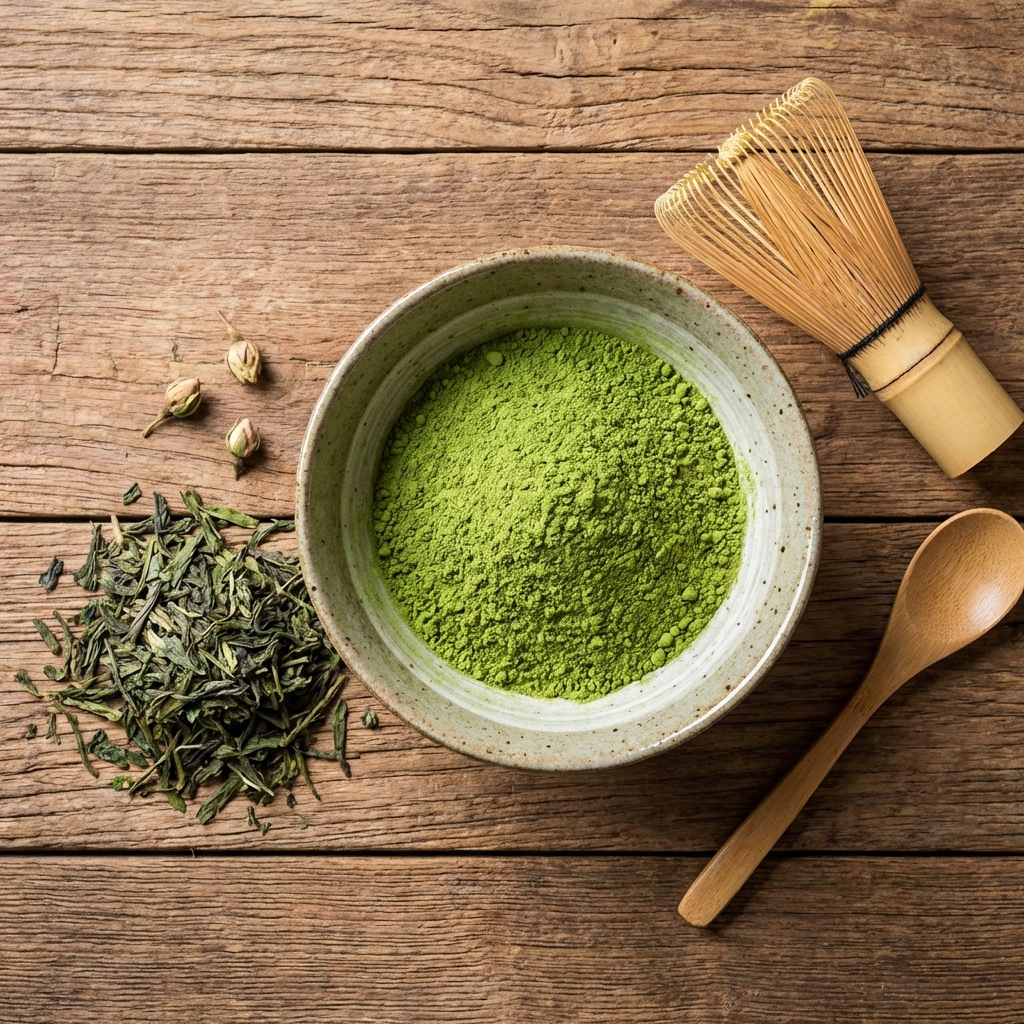
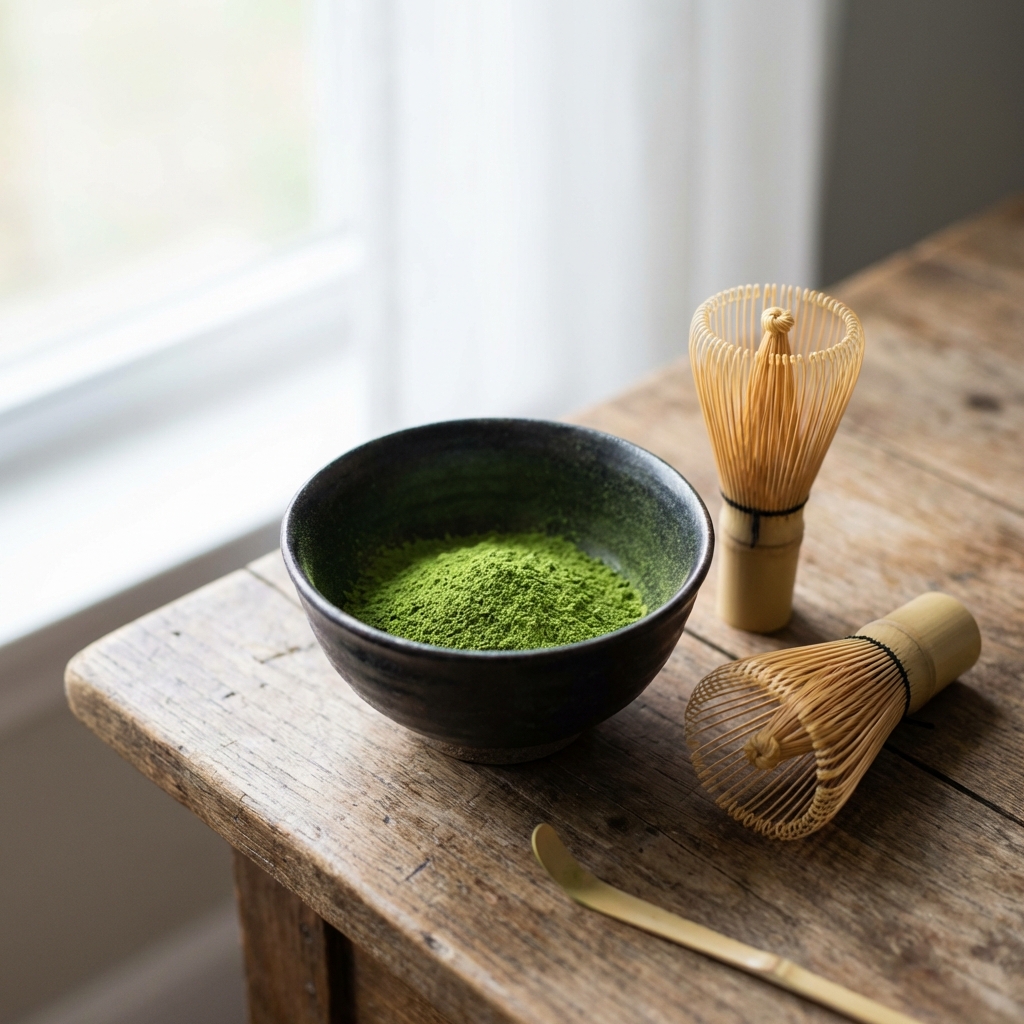
- Use a bamboo whisk (Chasen) to whisk until fine foam forms.
- Drink immediately while warm.
Or if it’s “Super Premium Ceremonial”, you might try making “Koicha” (Thick Tea) using very little water, whisking until it becomes a thick cream like chocolate sauce, to experience an Umami Bomb full in your mouth.
Conclusion: Is it Worth Trying?
Definitely worth it. At least once in your life, to let your tongue know what “the real matcha taste” is like. It might not be the tea you drink every day (due to its price), but it is a “reward” you give yourself on special days or days needing peace of mind.
Try finding an entry-level ceremonial grade to try a jar, and you will understand why people around the world are fascinated by this magical green powder.
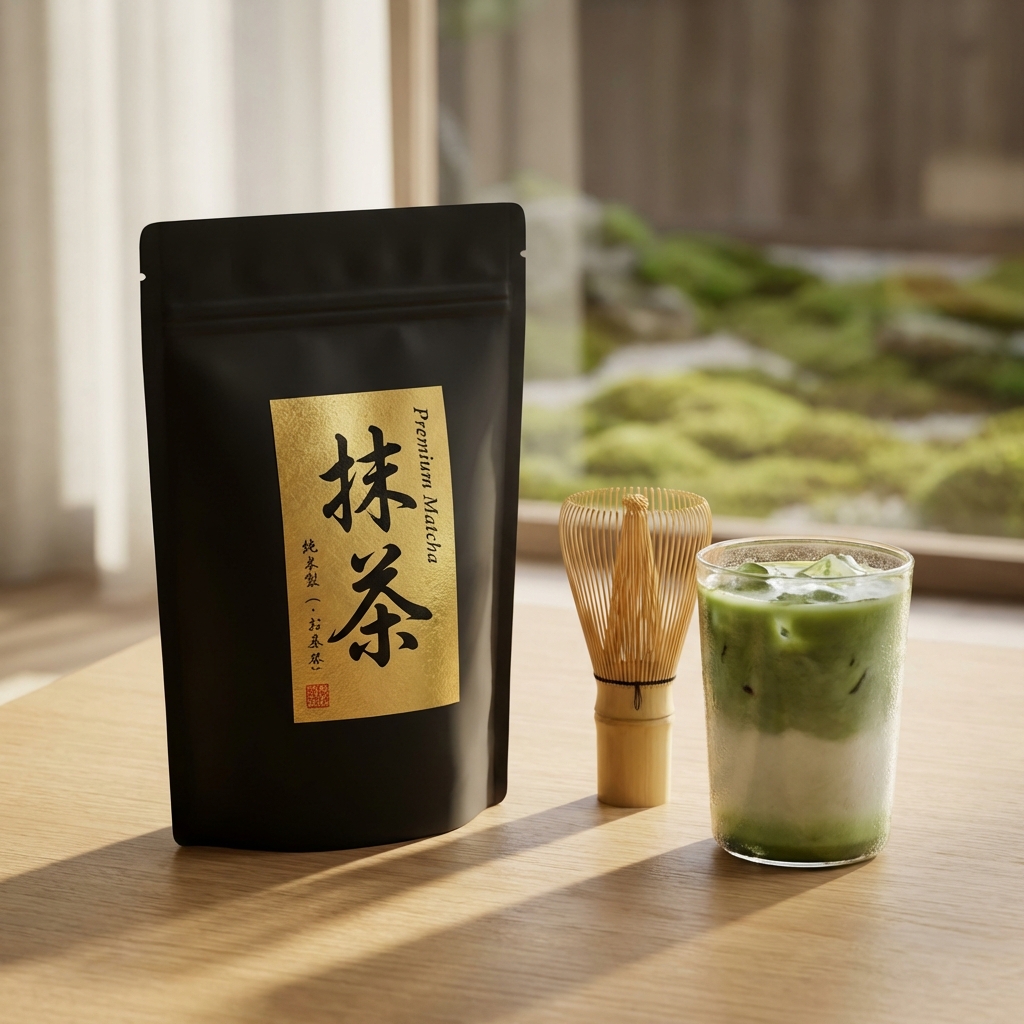
Ready to open your ceremonial grade matcha experience? If you don’t know which brand to start with, visit MatchaFans Community to ask for reviews and recommendations from green tea lover friends! We have plenty of great brands to recommend!