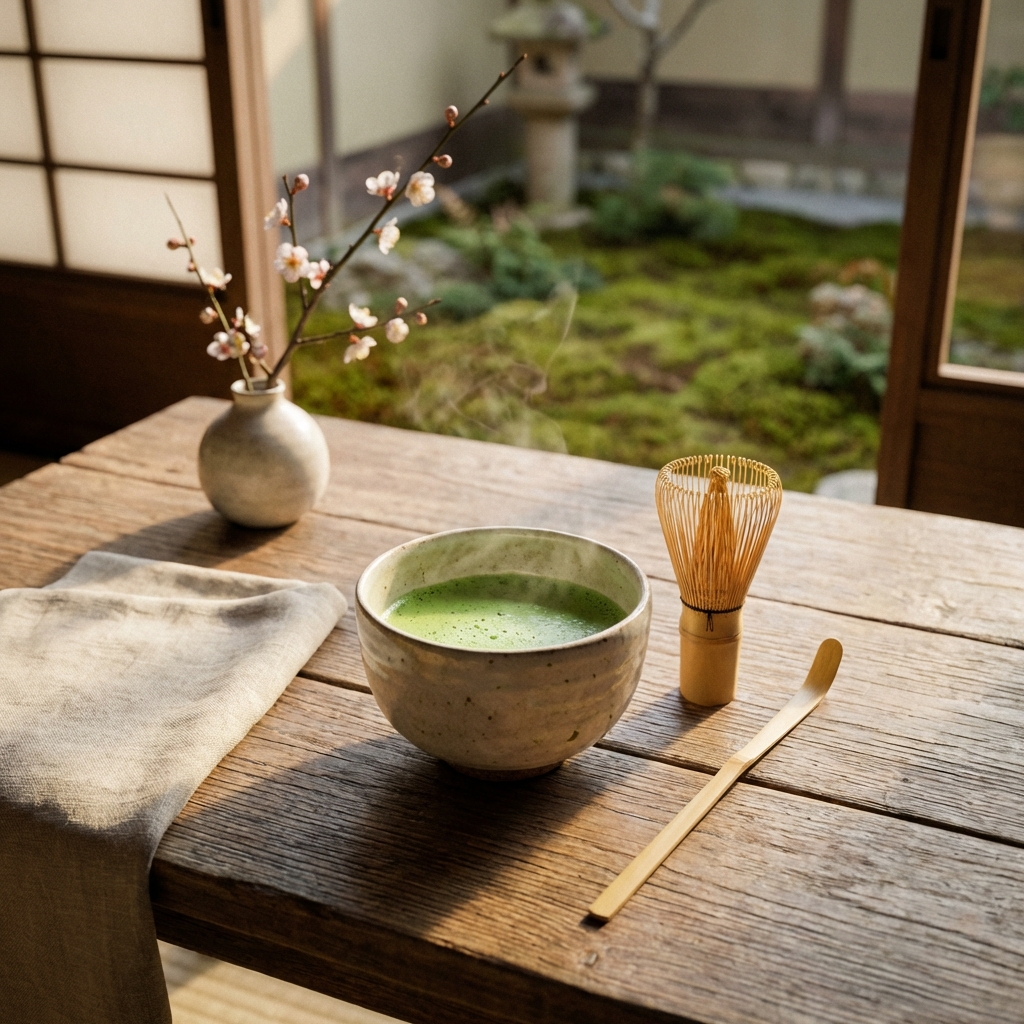
Experience the Way of Matcha
From Farm to Cup
Discover the key to tranquility, sustained energy, and profound umami flavor. MatchaFans is the hub for knowledge, reviews, and real experiences from matcha lovers for matcha lovers.
Matcha: More Than Just Powdered Tea
Matcha is not just ordinary green tea powder; it is art, cultural heritage, and the spirit of Japan passed down for over 800 years. The uniqueness of matcha begins with cultivation, shading, and a meticulous production process resulting in emerald green powder with a unique aroma.
In medicine and nutrition, matcha is considered a powerful "Superfood". Unlike steeped tea, drinking matcha means consuming the entire leaf, allowing the body to absorb 100% of the antioxidants, vitamins, and minerals.
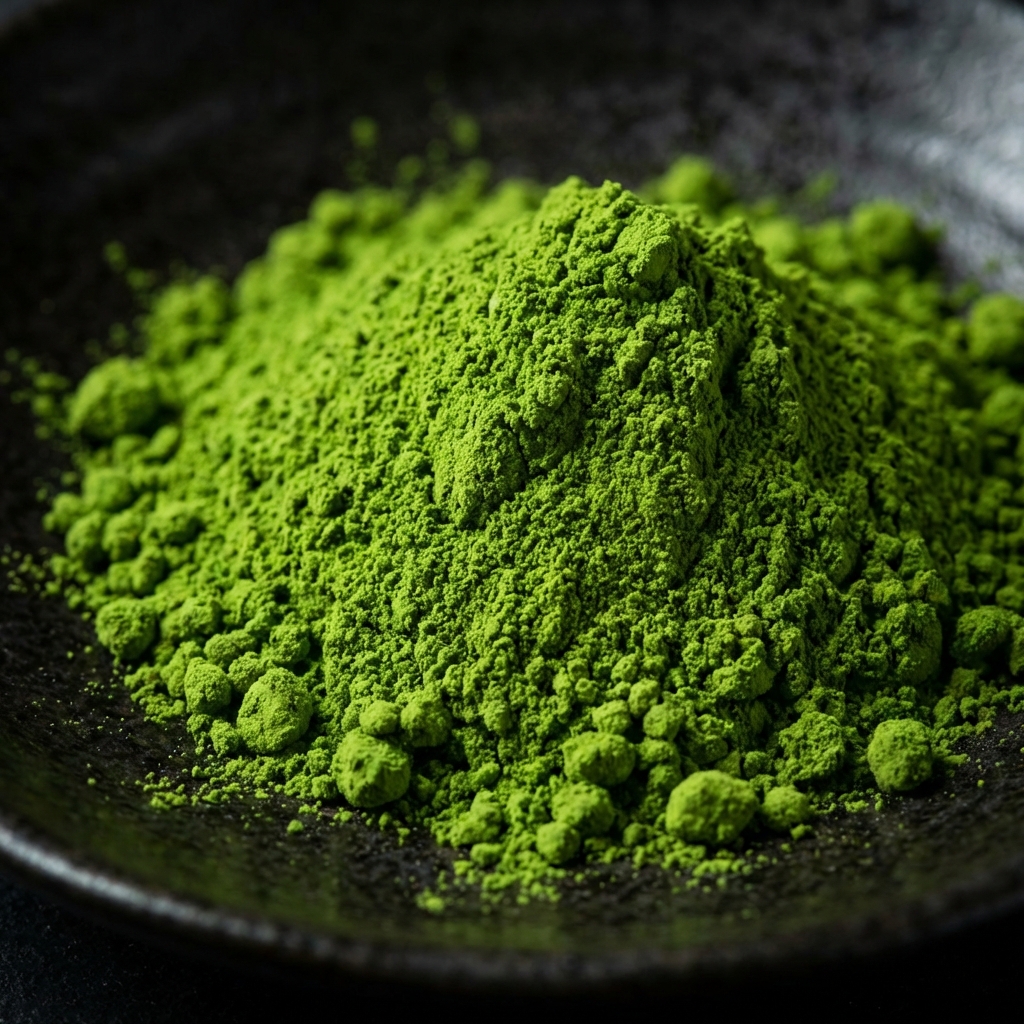
✨ Did you know?
The vivid green color comes from concentrated chlorophyll due to shaded growth (Oishita).
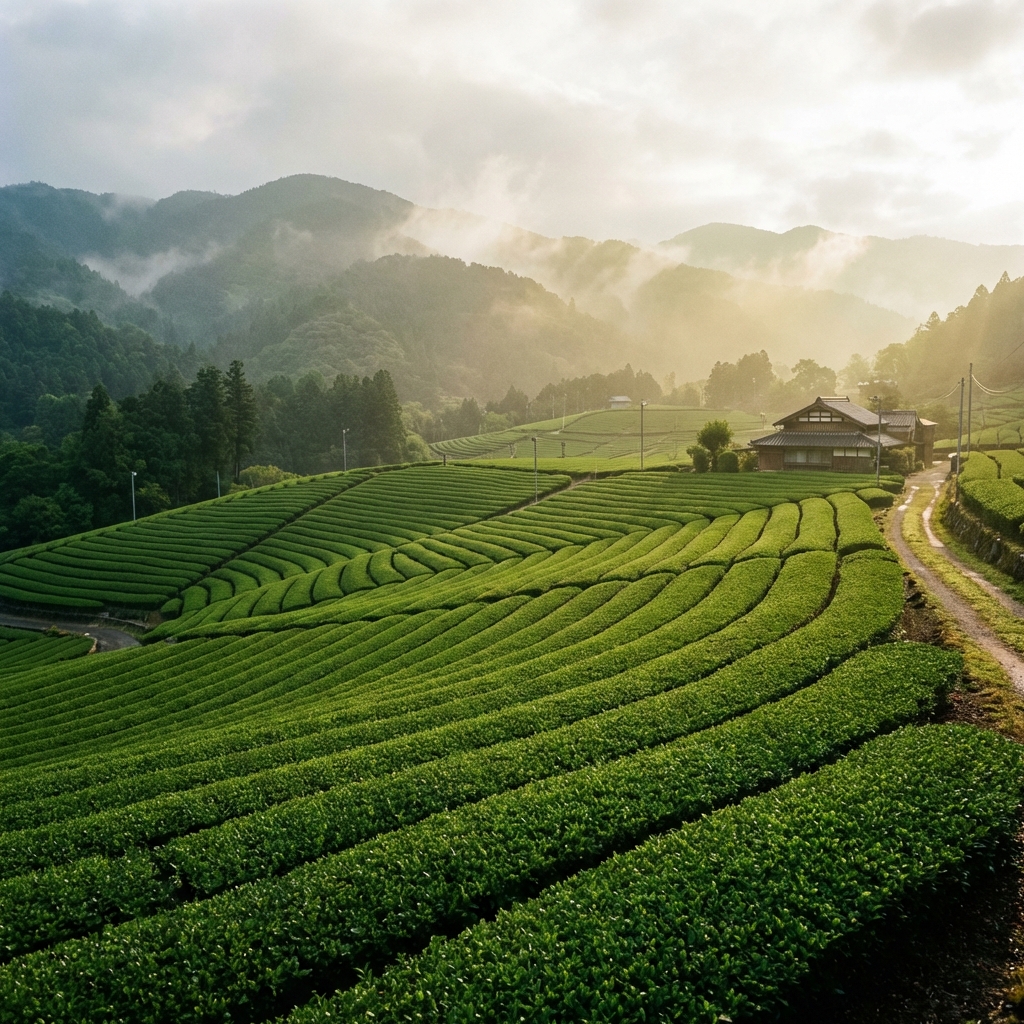
Born from Sacred Soil
The heart of excellent matcha lies in its "Terroir" or growing environment. The most famous regions are Uji in Kyoto and Nishio in Aichi, which have the optimal soil and climate for growing Tencha.
1. Shading
20-30 days before harvest, tea bushes are covered to block sunlight, stimulating the production of chlorophyll and L-Theanine amino acid, resulting in sweet taste and deep green color.
2. Harvesting
The best harvest is the "First Flush" in spring, picking only the youngest top 3 leaves to ensure the smoothest and most delicate flavor.
3. Stone Grinding
Tencha is slowly ground by granite stone mills in temperature-controlled rooms to prevent heat from spoiling the flavor. It may take 1 hour to produce just 30 grams of matcha powder.
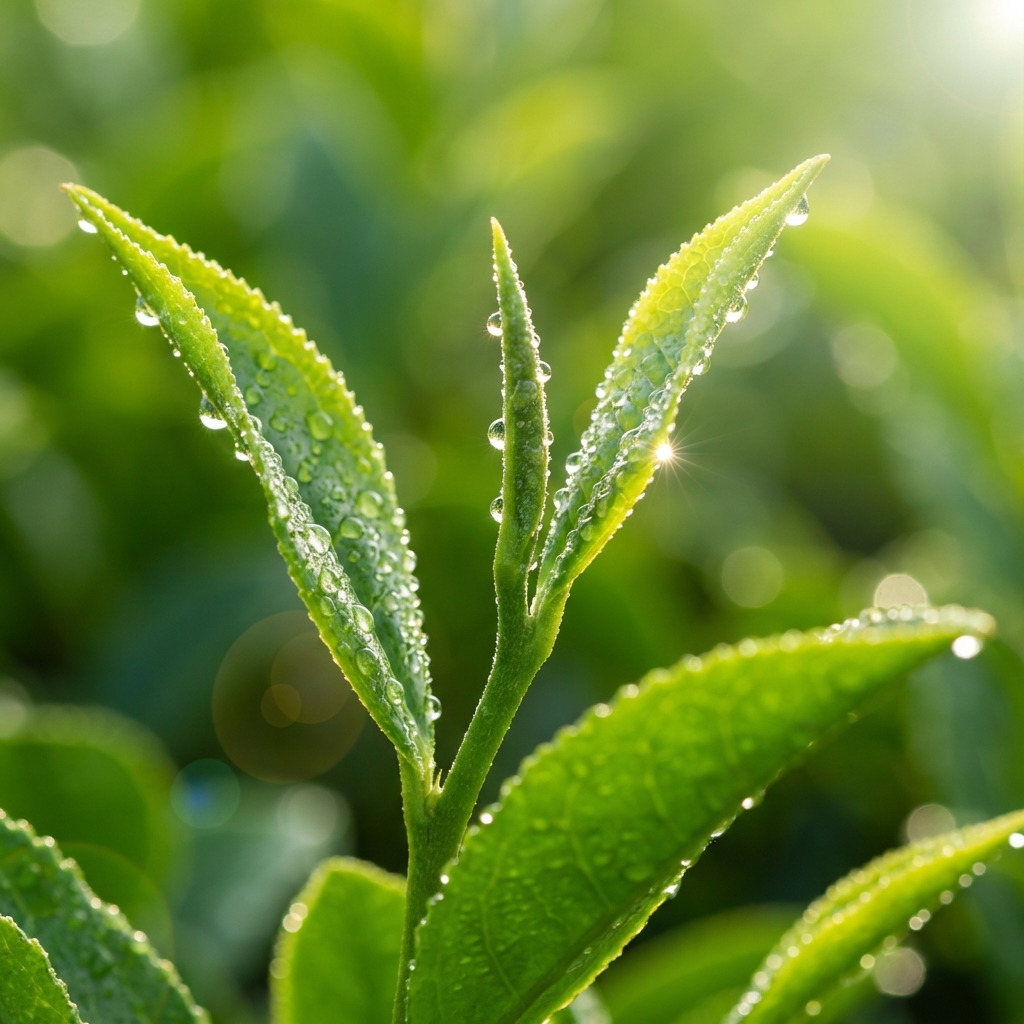
From Green Leaves to Precious Powder
The Art of Processing
Transforming fresh tea leaves into the matcha we drink involves a complex and delicate process. Steamed leaves are air-dried without rolling, becoming "Tencha".
Tencha is completely de-stemmed and de-veined, leaving only the pure leaf flesh, before entering the stone grinding process, which is the most critical step in defining the fineness and mouthfeel of matcha.
- Hand Picked
- Immediately Steamed
- De-stemmed
- Stone Ground
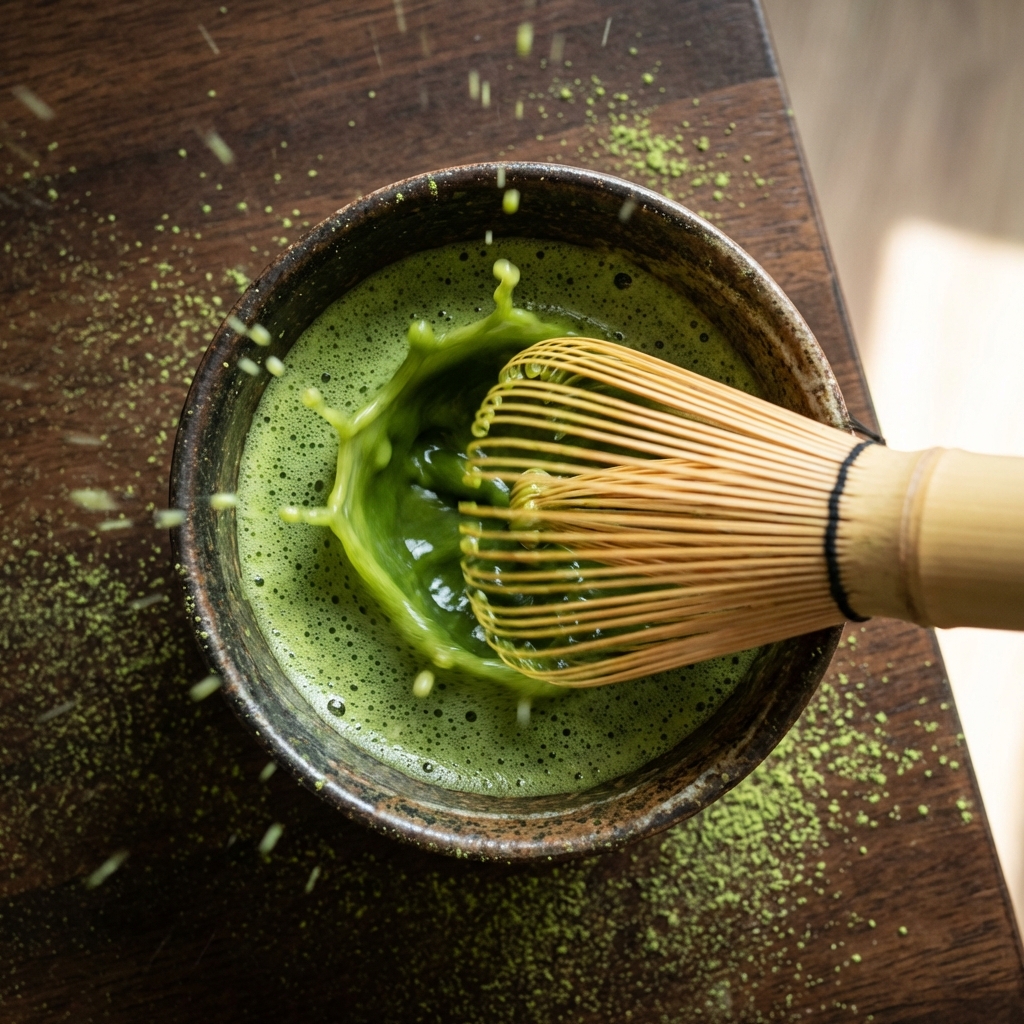
Understanding Matcha Grades
Not all matcha is created equal. Choosing the right grade is key to deliciousness and value.
Ceremonial Grade
Tea CeremonyThe highest grade from the first harvest. Distinct umami, no bitterness, vibrant green color, silky texture. Perfect for whisking with water (Usucha/Koicha).
Premium Grade
Cafe & LatteHigh quality, slightly more intense flavor. Still beautiful green color. Perfect for matcha lattes or cold drinks as it stands up well to milk.
Culinary Grade
Baking & CookingMore astringent and bitter flavor, duller green color. Designed to retain matcha aroma even when heated or mixed with butter and sugar.
Healing Power of Nature
Matcha has been known as the "Elixir of Immortality" since ancient times, packed with nutrients:
Calm Focus (L-Theanine)
Helps adjust brain waves to Alpha state, creating relaxed concentration without drowsiness.
Antioxidant (EGCG)
Catechins in matcha have anti-inflammatory and anti-aging properties higher than many berry fruits.
Body Detox
Chlorophyll helps bind heavy metals and toxins, safely eliminating them from the body.
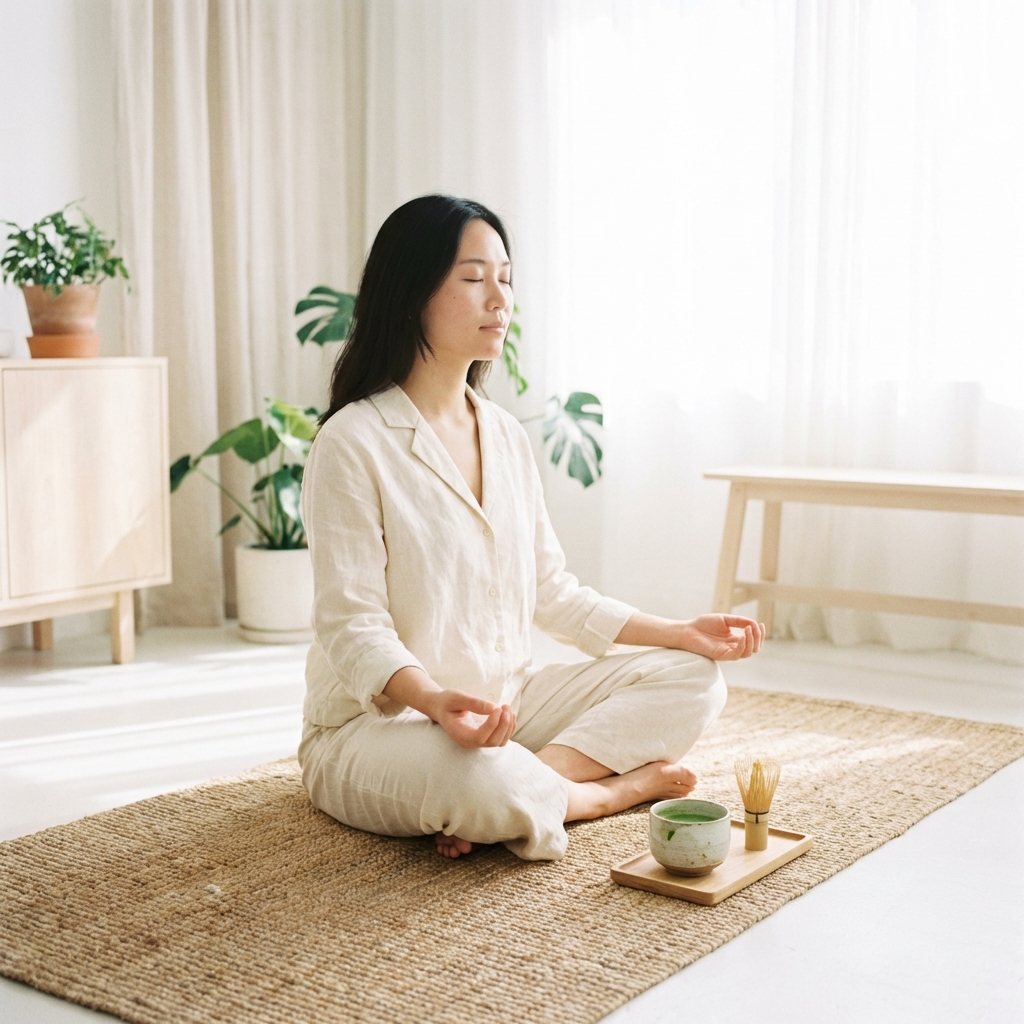
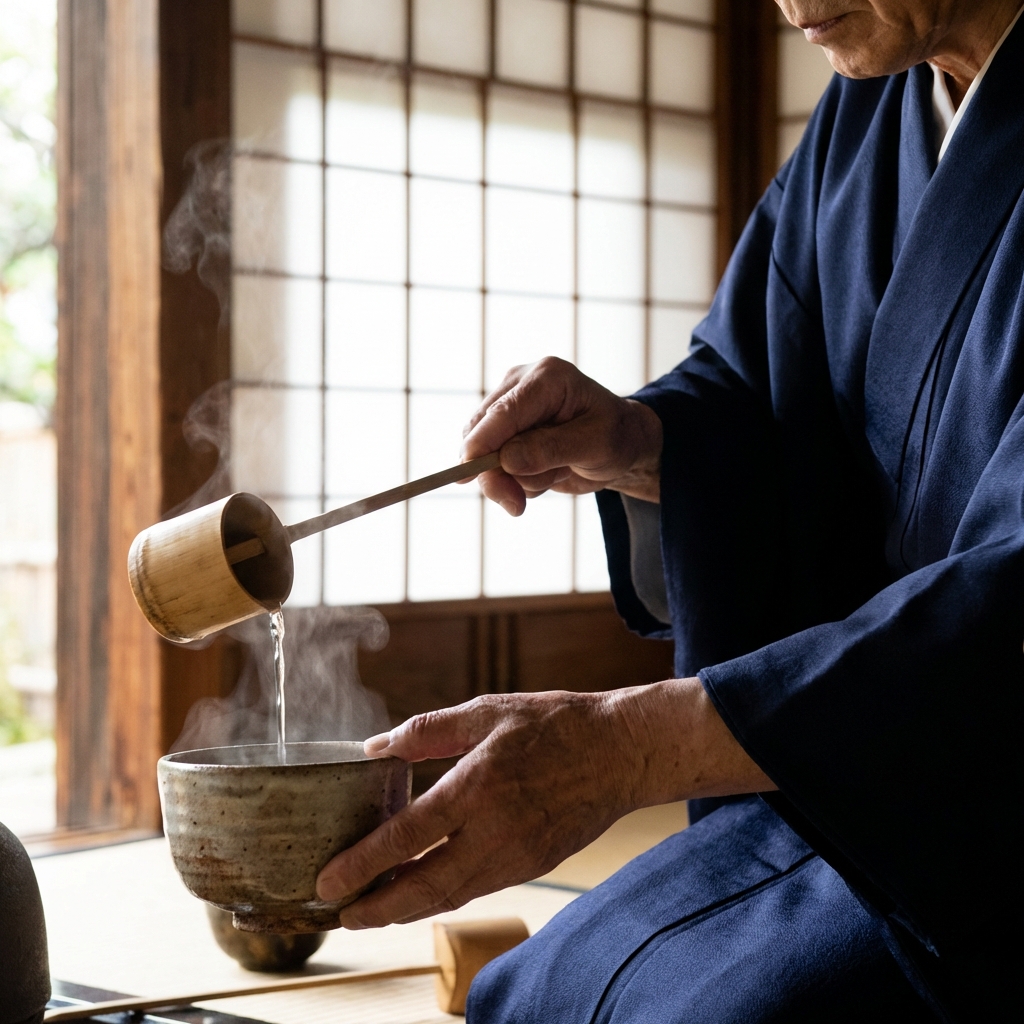
The Art of Tea Ceremony (Chado)
"Ichigo Ichie" (One Life, One Encounter) is the heart of the
tea ceremony, teaching us to cherish the present moment.
Making matcha is not just making a drink, but meditation and showing
respect.
Matcha in Modern Life
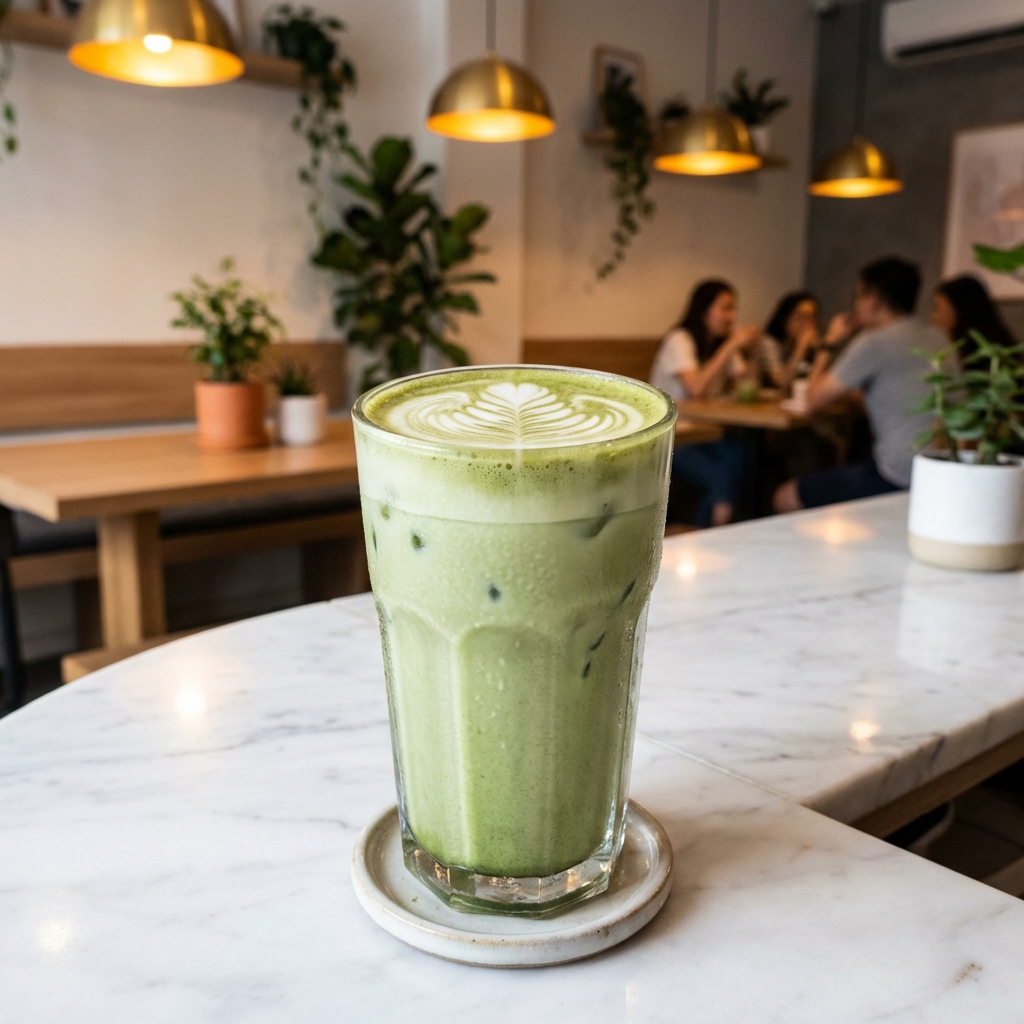
Perfect Iced Latte
Rich, creamy, and beautifully layered iced latte recipe like a barista.
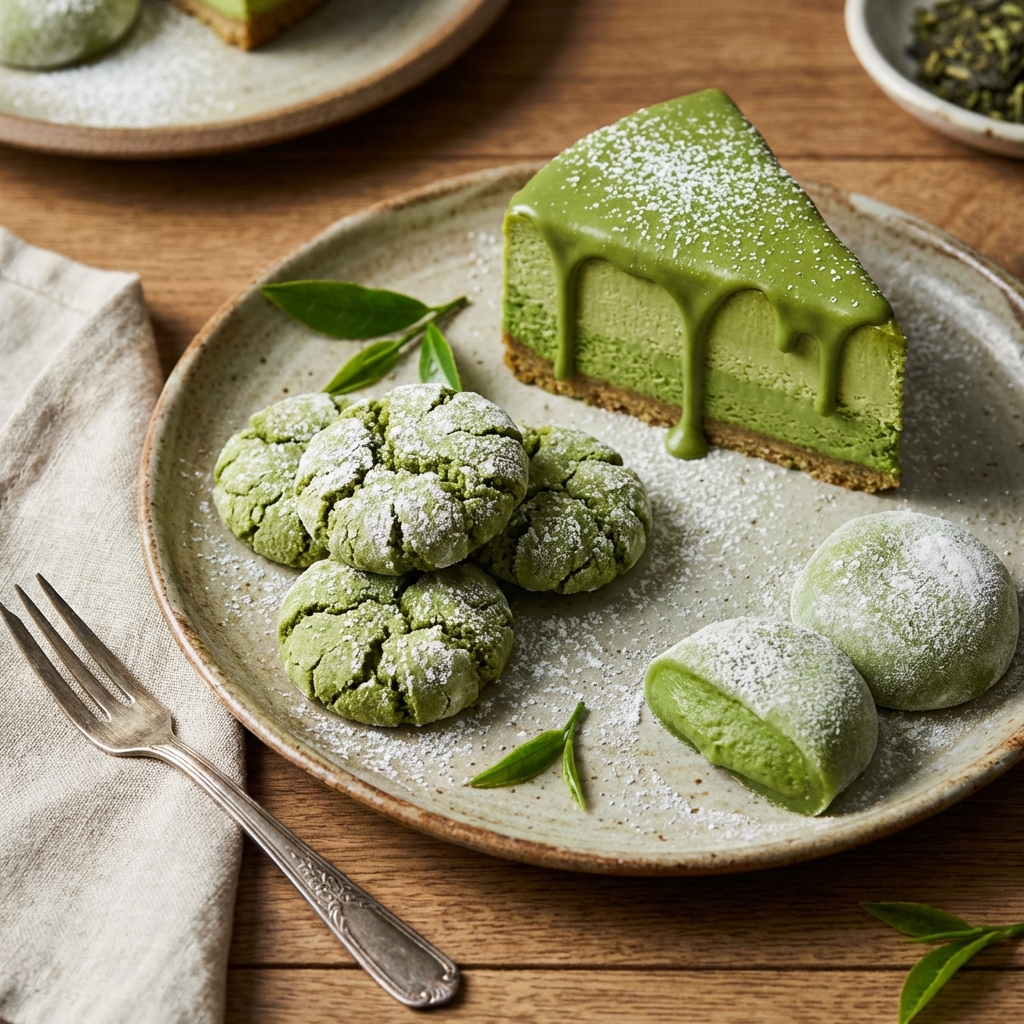
Matcha Patisserie
Matcha cheesecake, cookies, and nama chocolate. Bitterness perfectly cutting the sweetness.
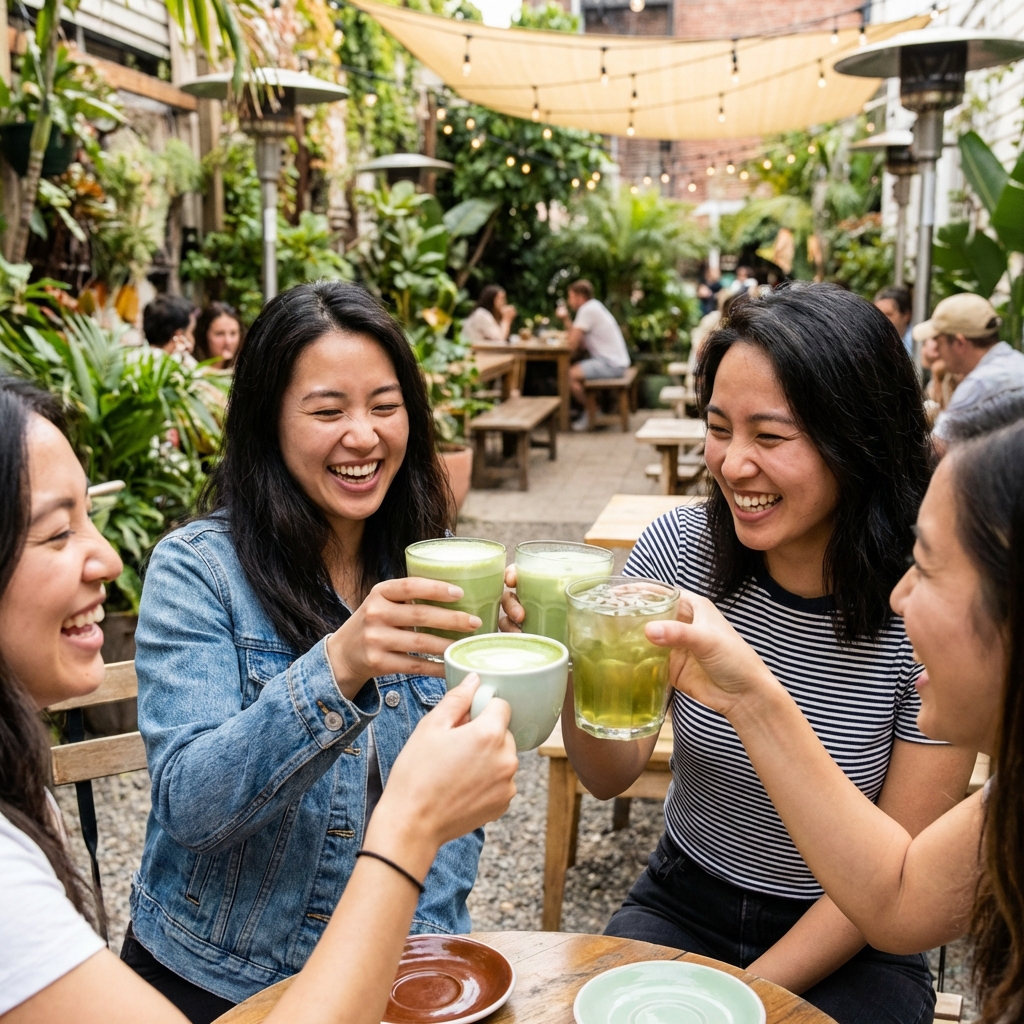
Community Vibe
Meet up, share favorite shops, and green happiness with new friends.
Frequently Asked Questions (FAQ)
When is the best time to drink matcha?
How to keep matcha fresh for longest?
Matcha clumps when brewing, how to fix?
Join the MatchaFans Family
Whether you are a brewing beginner or an expert Tea Master, this space is open for everyone with a green heart.
© 2024 MatchaFans. All rights reserved. | Crafted with 🍵 and Care.