Walk into any Japanese café and you’ll see them side by side on the menu: the vivid green matcha latte and its toasty, amber-colored sibling, the hojicha latte. They come from the same plant — Camellia sinensis — yet they look, smell, and taste like complete opposites. So which one should be in your cup?
Here’s everything that separates them: production, color, taste, caffeine, health benefits, price, and how to use each one.
What’s the Difference Between Hojicha and Matcha?
Hojicha is Japanese green tea that has been roasted at around 200°C, giving it a reddish-brown color, toasty caramel flavor, and very little caffeine. Matcha is shade-grown green tea ground into a fine powder — bright green, rich in umami and antioxidants, and much higher in caffeine. Same plant, completely different character.
| Hojicha | Matcha | |
|---|---|---|
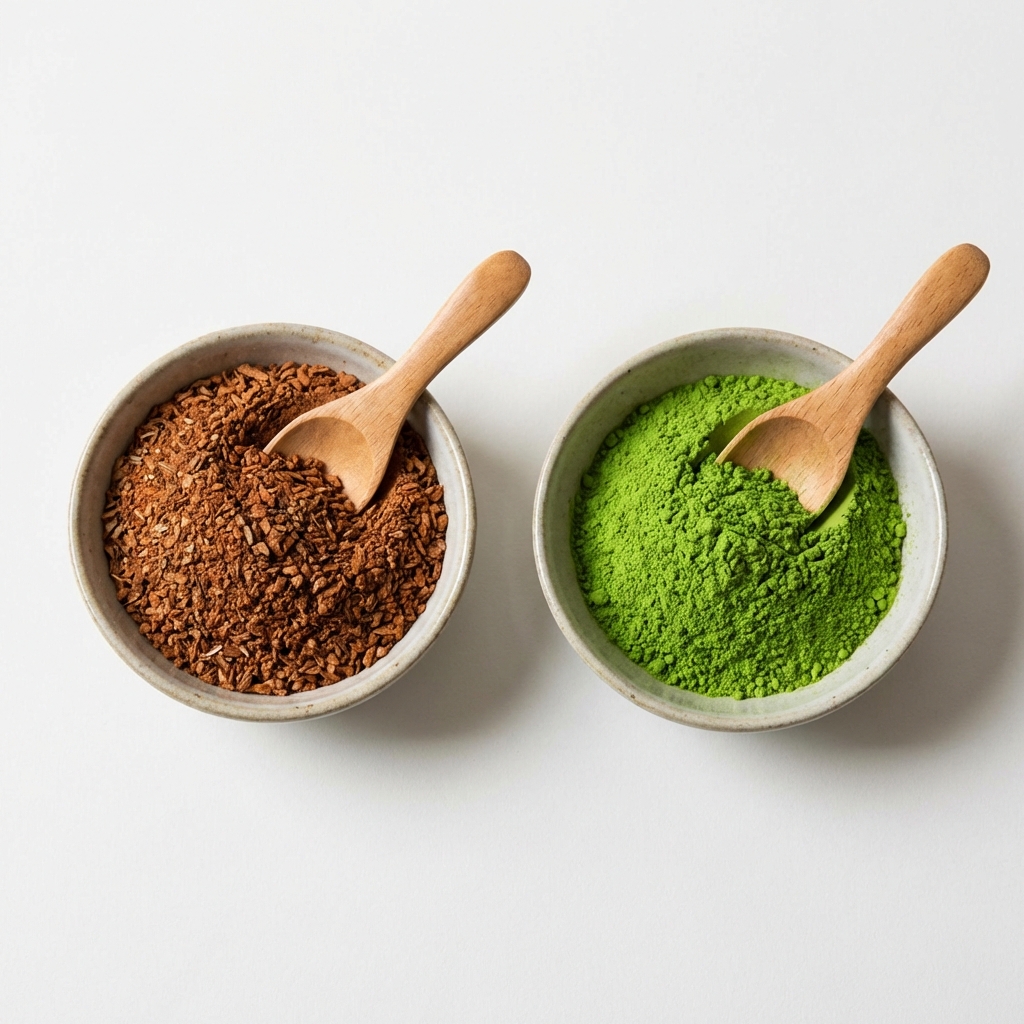
| Color | Reddish-brown / amber | Vivid emerald green |
| Flavor | Toasty, caramel, nutty, smoky | Umami, creamy, vegetal, slightly bitter |
| Caffeine per cup | ~7–15 mg | ~35–70 mg |
| Antioxidants (EGCG) | Lower (reduced by roasting) | Very high |
| Price | Affordable | Premium, especially ceremonial grade |
| Best time to drink | Evening, after meals, before bed | Morning to mid-afternoon |
That’s the short answer. The rest of this guide unpacks each difference — and settles the questions people ask most, like whether hojicha is just roasted matcha (it isn’t) and how its caffeine stacks up against coffee.
What Is Hojicha?
Hojicha (ほうじ茶) is a roasted Japanese green tea. It was born in Kyoto in the 1920s, when tea merchants — looking for a use for leftover leaves and stems — tried roasting them over charcoal. The result was so aromatic it became a staple in its own right.
To make hojicha, producers take green tea leaves (usually bancha, late-harvest sencha, or kukicha twigs and stems) and roast them at roughly 200°C. The high heat transforms the leaves from green to reddish-brown and replaces the fresh, grassy aroma with warm notes of roasted nuts, caramel, and wood smoke. It also burns off most of the caffeine — which is why hojicha is the tea Japanese families serve to children and grandparents alike, even at night.
Hojicha comes as loose leaves for steeping or as a fine hojicha powder for lattes and desserts.
Is Hojicha Just Roasted Matcha?
No — this is the most common misconception. Hojicha is not roasted matcha. Matcha is made from shade-grown tencha leaves that are stone-ground into powder. Hojicha is made from entirely different (and humbler) raw material: sun-grown bancha, sencha, or stem-heavy kukicha, roasted before any grinding happens.
Hojicha powder looks like a brown version of matcha, which fuels the confusion — but it’s ground after roasting, from different leaves. A few specialty producers do sell actual “roasted matcha,” but that’s a niche product, not traditional hojicha.
If you’re new to matcha itself, start with our guide on what matcha is and how it’s made.
1. Production: Sun-Grown and Roasted vs Shade-Grown and Ground
The two teas part ways in the field, long before processing:
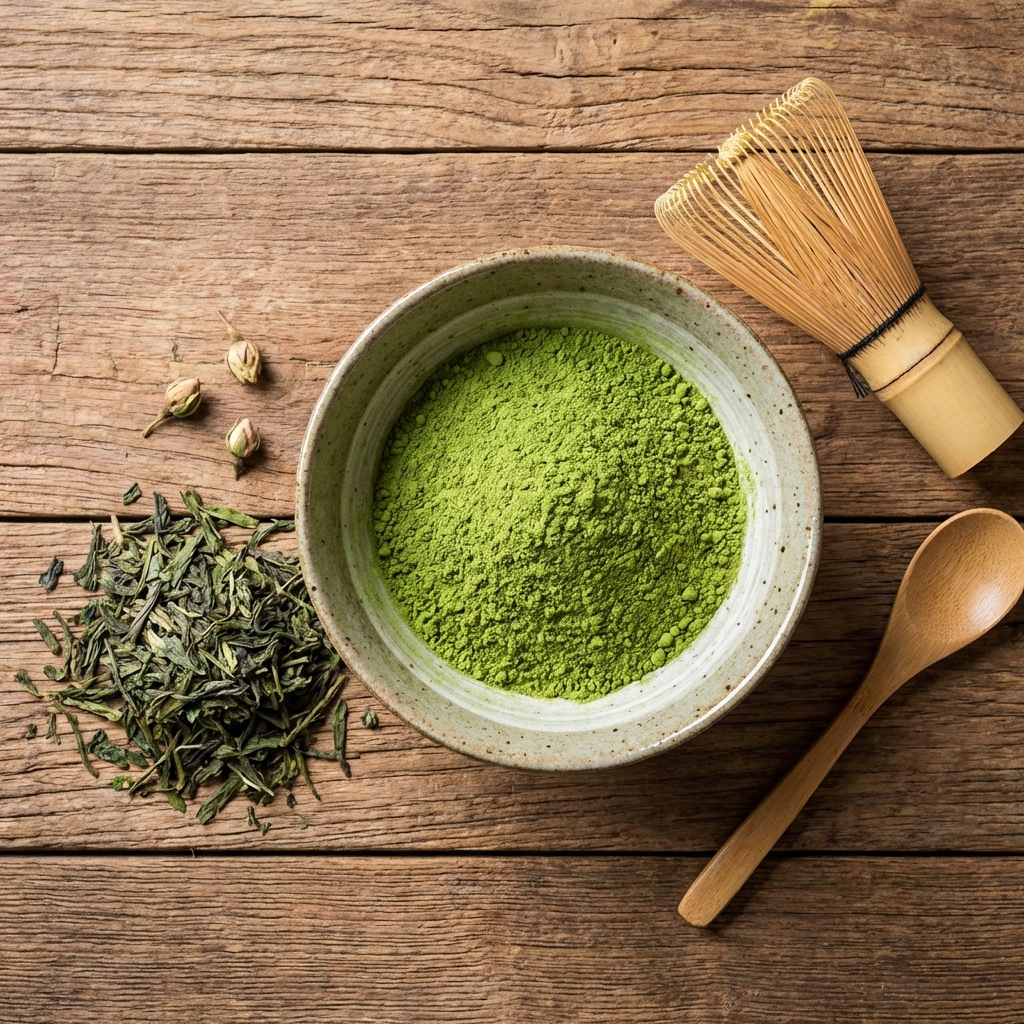
- Matcha: Tea bushes are shaded for 3–4 weeks before harvest, which boosts chlorophyll and L-theanine. Only tender young leaves are picked, steamed, dried into tencha, then slowly stone-ground into powder. It’s one of the most labor-intensive teas in the world.
- Hojicha: Made from mature leaves, stems, and twigs grown in full sun — often from later, cheaper harvests. The defining step is the roast, which takes minutes rather than the weeks of care matcha demands.
This single difference — shading and grinding vs roasting — explains almost everything else: the color, the flavor, the caffeine, and the price.
2. Color and Aroma: Emerald Green vs Warm Amber
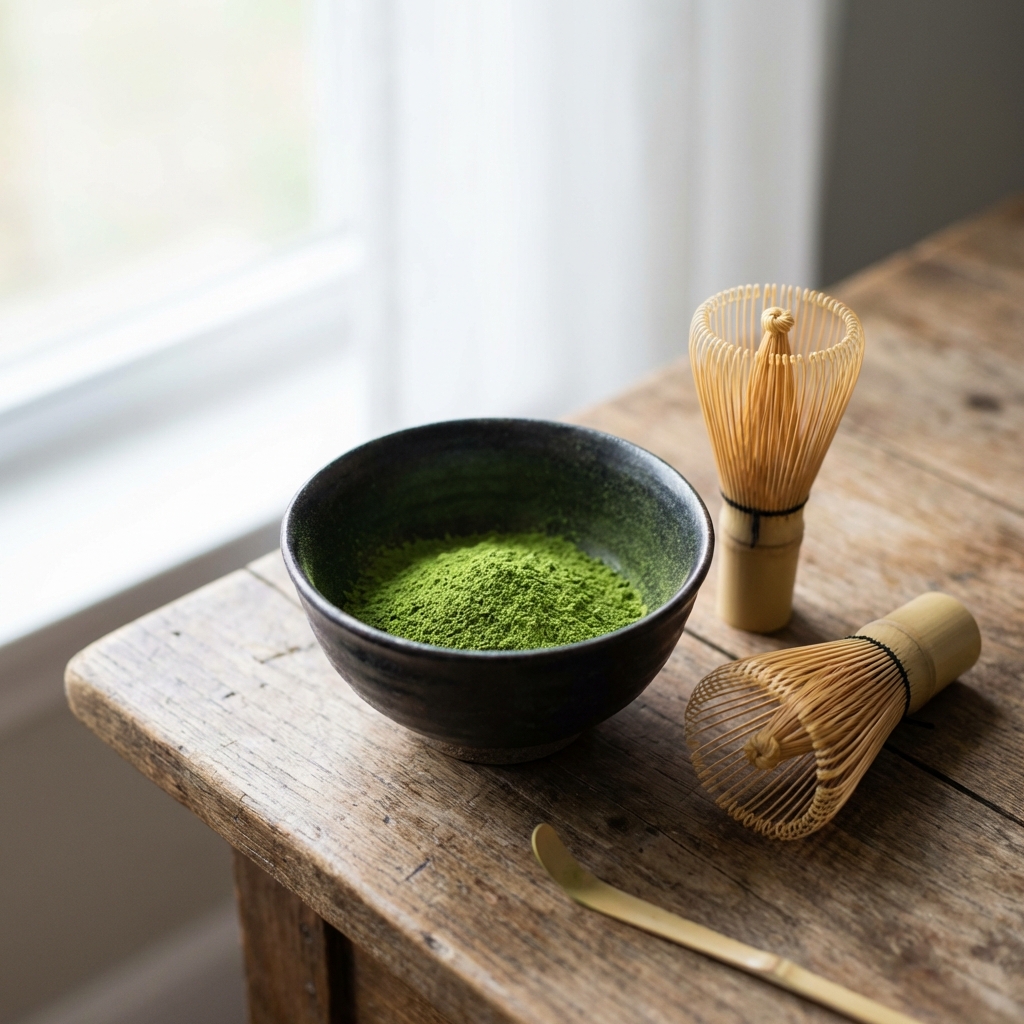
- Matcha: Vivid emerald green with a fresh aroma of cut grass and nori seaweed. Clean, bright, almost ceremonial.
- Hojicha: Golden brown to reddish-amber, with a cozy roasted fragrance — think roasted chestnuts, caramel, and a hint of campfire. If matcha smells like spring, hojicha smells like autumn.
3. Taste: Creamy Umami vs Toasty Caramel
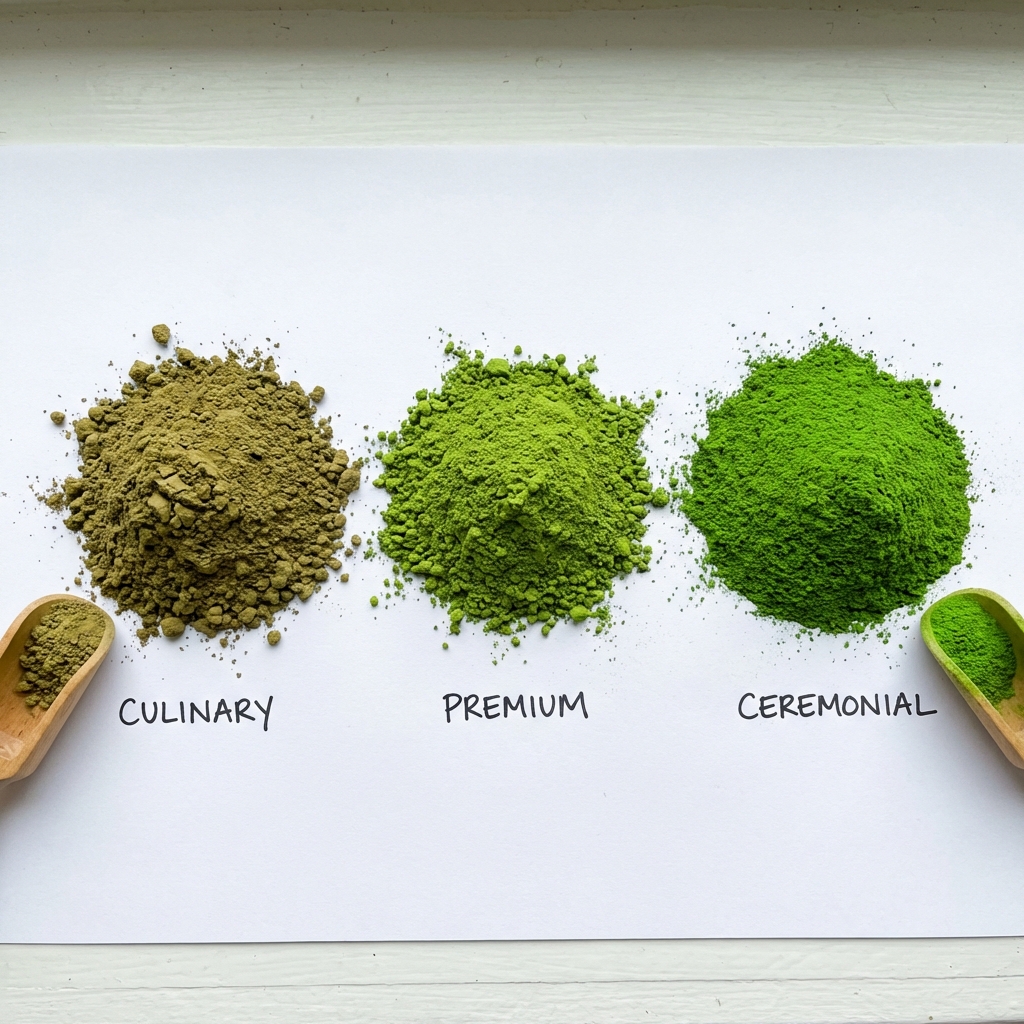
- Matcha: Complex and full-bodied — savory umami depth, creamy sweetness, and a pleasant edge of bitterness. Quality matters enormously here; see our matcha grades comparison before you buy.
- Hojicha: Much easier to drink. Almost no bitterness or astringency, with a natural burnt-caramel sweetness and a flavor that leans on aroma more than weight. It’s often described as the “gateway” Japanese tea.
Tip: If you find matcha too bitter or too “green,” hojicha is almost certainly your tea. The reverse is also true — matcha lovers sometimes find hojicha too mellow.
4. Caffeine: Hojicha vs Matcha (and Coffee)
This is the difference that decides when you drink each tea.
| Drink | Caffeine per cup |
|---|---|
| Hojicha (1 cup) | ~7–15 mg |
| Sencha (1 cup) | ~20–30 mg |
| Matcha (1 serving) | ~35–70 mg |
| Espresso (1 shot) | ~63 mg |
| Drip coffee (240 ml) | ~95 mg |
Matcha sits close to an espresso shot because you consume the entire powdered leaf — and its L-theanine smooths the caffeine into calm, sustained focus rather than a jittery spike. For a deeper breakdown, read our matcha caffeine guide.
Hojicha, by contrast, is nearly decaf. Roasting at 200°C destroys most of the caffeine, leaving roughly a tenth of what’s in a cup of drip coffee. That makes it one of the few teas you can pour after dinner — or serve to kids and caffeine-sensitive drinkers — without worrying about sleep.
5. Health Benefits: Antioxidant Power vs Gentle Relaxation
- Matcha: The antioxidant heavyweight. Because you ingest the whole shade-grown leaf, matcha delivers exceptional levels of EGCG (linked to metabolism and cell protection) plus L-theanine for focus and calm alertness.
- Hojicha: Roasting reduces catechins, so hojicha can’t match matcha’s antioxidant numbers. But it gains something matcha doesn’t have: pyrazines, the aromatic compounds created by roasting, which are associated with relaxation and improved blood flow. Combined with its low caffeine and low tannin levels, hojicha is notably gentle on the stomach.
In short: matcha is the morning supplement, hojicha is the evening wind-down. They complement each other rather than compete.
6. Price: Why Is Hojicha Cheaper Than Matcha?
Browse any tea shop and you’ll notice hojicha costs a fraction of good matcha. There are three reasons:
- Raw material: Hojicha uses mature leaves, stems, and late-harvest tea — the inexpensive end of the crop. Matcha demands tender first-flush leaves.
- No shading: Matcha’s 3–4 weeks of shade-growing requires extra labor and reduces yield. Hojicha skips it entirely.
- No stone-grinding: Granite mills grind matcha at only ~30–40 g per hour. Hojicha just needs a roaster.
The upside: hojicha is one of the best value-for-money teas in Japan, and even excellent hojicha rarely feels like a splurge. With matcha, you generally get what you pay for.
7. How to Brew and Use Each One
- Hojicha (loose leaf): Steep 1 tablespoon in 90–95°C water for 30–60 seconds. It’s forgiving — hotter water won’t make it bitter the way it would with green tea.
- Hojicha (powder): Sift 1–2 g into a bowl, add ~60 ml of 85–90°C water, and whisk just like matcha. Top with milk for a hojicha latte — its caramel notes need no added sugar.
- Matcha: Sift 1–2 g, add ~70 ml of 80°C water (cooler than hojicha — high heat turns matcha bitter), and whisk in an M-shape until frothy.
- In the kitchen: Matcha shines in lattes, ice cream, and baking where you want color and intensity. Hojicha powder is a favorite for lattes, soft serve, and desserts that suit its toffee-like warmth.
Hojicha vs Sencha and Kukicha: Quick Context
People often mix up Japan’s everyday green teas, so here’s the 10-second version:
- Sencha is the standard steamed (unroasted) green tea — grassy and brisk. Roast sencha or bancha and you get hojicha. For how sencha-style green tea compares to matcha, see matcha vs green tea.
- Kukicha is twig-and-stem tea, naturally light and low in caffeine. Roasted kukicha (kuki-hojicha) is prized for an especially sweet, mellow cup.
Hojicha or Matcha: Which Should You Choose?
| Situation | Choose Matcha | Choose Hojicha |
|---|---|---|
| Time of day | Morning / afternoon (need energy) | Evening / night (need to unwind) |
| Taste preference | Rich, creamy, complex, umami | Toasty, mellow, zero bitterness |
| Health goal | Maximum antioxidants & focus | Caffeine-sensitive / gentle on stomach |
| Budget | Willing to invest in quality | Great taste at a low price |
| Recommended order | Matcha latte, usucha | Hojicha latte, hot hojicha after meals |
The Bottom Line
Matcha and hojicha aren’t rivals — they’re the yin and yang of Japanese tea. Matcha brings energy, antioxidants, and intensity (the yang); hojicha brings warmth, calm, and an easy-drinking roastiness (the yin). Keeping both at home means starting the day with a brain-waking bowl of matcha and ending it with a soothing cup of hojicha.
Which team are you — #TeamMatcha or #TeamHojicha? Or both, like us? Come share your favorite order with the MatchaFans community.