Does Matcha Have Caffeine? The Answer Might Surprise You
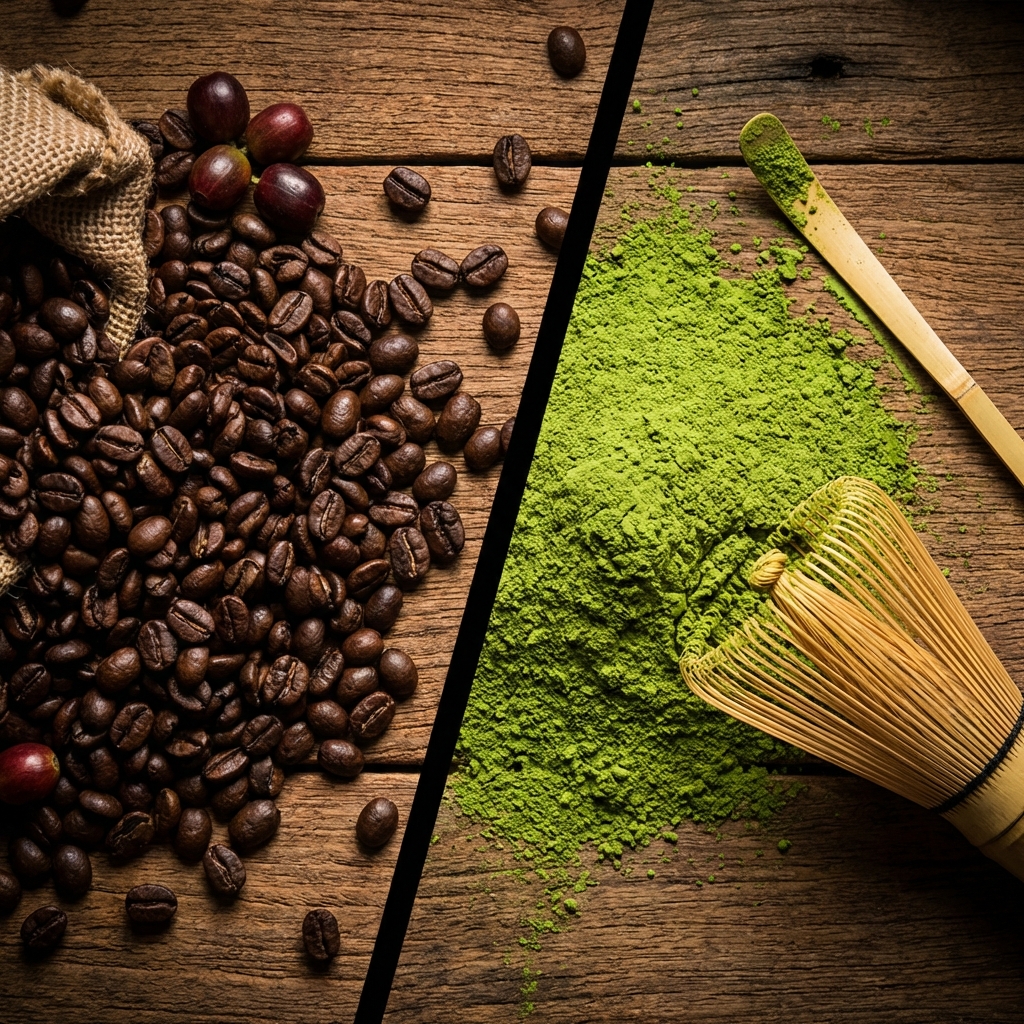
“Matcha is healthy tea, surely no caffeine right?” … If you think this, You are wrong! The truth is, matcha is one of the teas with highest caffeine! Possibly more than some cups of coffee.
Wait! Then why do people say drinking matcha is good? Why no palpitations? Today we will solve the matcha caffeine mystery, comparing clearly how strong it really is, and how to drink without staying awake all night.
Caffeine Content: Measured Clearly
Let’s look at approximate numbers (per 8 oz cup):
- Drip Coffee: 95 - 140 mg
- Espresso (1 shot): 63 mg
- Matcha (1 tsp / 2 grams): 35 - 70 mg
- Regular Green Tea (steeped bag): 20 - 45 mg
- Coke (1 can): 34 mg
- Decaf Coffee: 2-5 mg
You will see Matcha has strength comparable to 1 shot of espresso! The reason it’s higher than regular green tea is because “we eat the whole leaf”, not just drink the water steeped. All caffeine in the leaf enters our body fully.
But Wait… Matcha’s Caffeine is “Different”
Ever notice drinking coffee makes you feel “Jittery”, heart racing, hands shaking? But drinking matcha makes you feel “Awake” but “Calm”?
That’s because matcha has a knight in shining armor called L-Theanine. And this L-Theanine changes the game:
- Brake the Speed: It helps slow down caffeine absorption into bloodstream, so caffeine levels don’t spike, but release slowly.
- Alpha Brain Waves: It stimulates brain relaxation, creates focus, reduces stress and palpitations which are caffeine side effects.
Feeling Equation:
- Coffee = Pure Caffeine -> Alert + Excited (or Stressed)
- Matcha = Caffeine + L-Theanine -> Alert + Relaxed (Alert Calmness)
Can I Drink Matcha at Bedtime?
Not recommended! Even if you feel relaxed, caffeine is still caffeine. It still blocks adenosine (sleepy chemical) in the brain. And because matcha releases caffeine slowly (Sustained release), its effect might last up to 6-8 hours, which is longer than coffee!
Recommendation:
- Golden Time: Morning after waking up or early afternoon (before 2 PM) to boost work energy.
- Cut-off Time: Should stop drinking matcha at least 6 hours before bed (If sleep at 10 PM, stop after 4 PM).
Summary: Two Sides of Coin
Matcha has caffeine, and a lot too. But it is “Good Quality Caffeine” coming with side-effect reducers. Suitable for those needing stable energy and long focus.
But if your body is very sensitive to caffeine (drink coffee and heart races immediately), should start with small amount of matcha (half tsp) or switch to “Hojicha” which has very little caffeine.